The first sketches of carnival games were progressively introduced in the kingdom of Congo after the first contacts between the Portuguese and the inhabitants of the basin of the great "N'zadi" river, in Zaire.
The first people who followed this type of demonstration were the N'Zombo from the south bank of the N'Zaire and the N'Zaus from the north bank of the same river, today called Cabinda, the Lândanas and Inbindas of the time.
Later, N'Zeto de Songo and Solongo also joined this game of life, but lastly in the kingdom of Manikongo.
 In the mercantile expansion of the various trading posts, and further south, the Tugas, simultaneously, transported these customs along the coast south of the current Ambriz to the N'dongo kingdom, (name of the first people's canoes) which came to be known as n'gola later Angola.
The Muxiluandas gave the name Muala to that dance with some choreography and a pre-merengue rhythm. Semba appeared from the Kazukuta dance, in a place known as Samba; Soba Samba himself, together with Manhanga (Maianga), gave vivacity to this manifestation of festivities over the years.
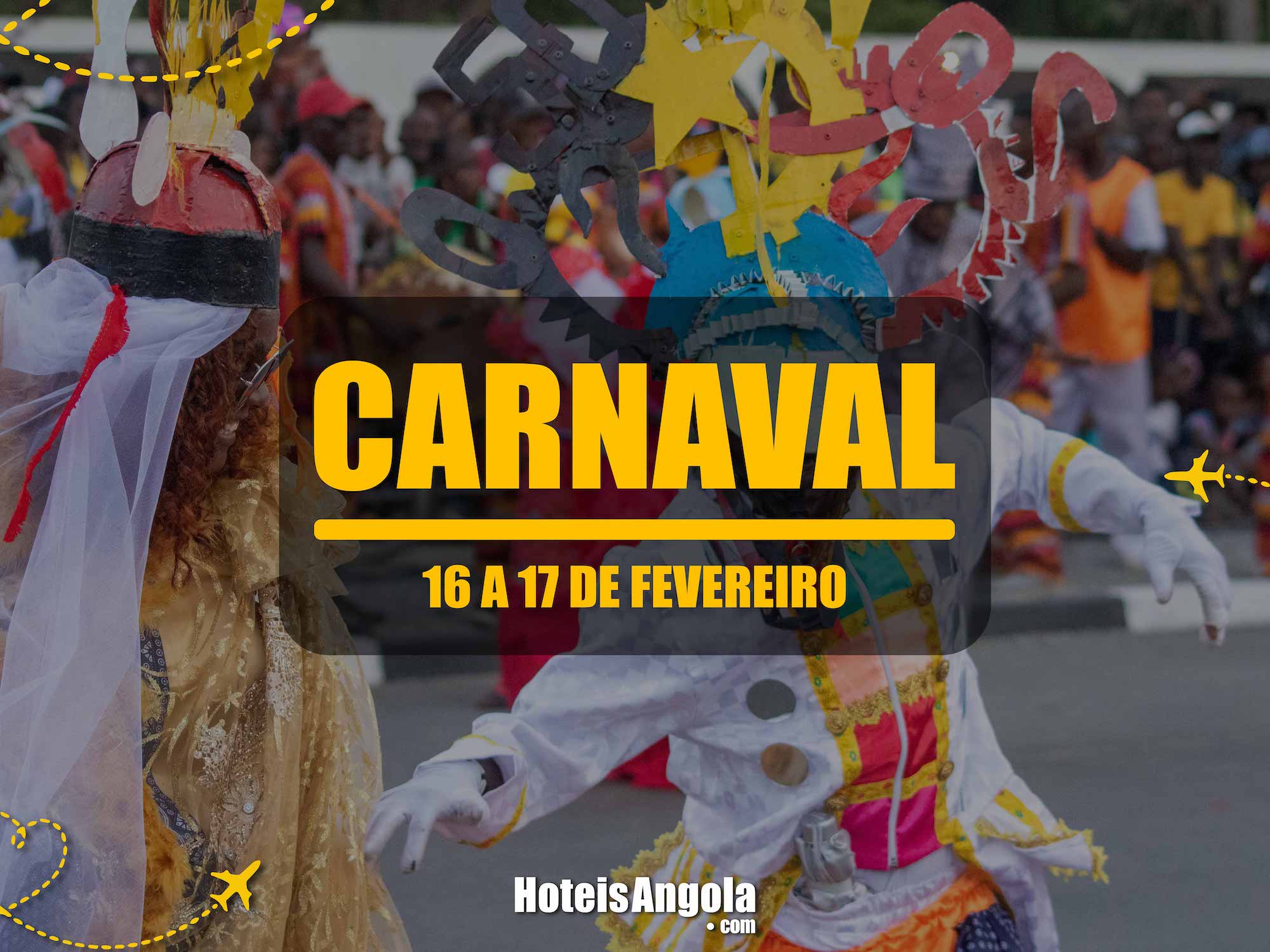
From the thirties of the 20th century, the Island's residents came by canoe to Marginal, which came to be called Paulo Dias de Novais, and imitated the Portuguese sailors with their immaculately white uniforms, swords, yellow chevrons and matching hats. They celebrated with T'chissângua and Puto wine that the "N'Gwetas" brought from the metropolis; These were times of leisure that the N'Gwetas gave their workers, greengrocers and farmers to soak in the sands of the Marginal. The rural settlers, fubeiros or employees, laughed and, in the depths of the backyards of their farms or houses, went on binges of "arrebenta merengue" under a mulemb tree, almond tree, tamarind tree or even baobab tree; It was a perfect time for the "N'dele" maidens, Creoles and Mocamas to get to know each other and talk about literature.
The manifestations of Saturn and Bacchus were proliferating from the muceques, Sambizanga, Prenda, Catambor, Bairro Operário, São Paulo, Kaputo da Terra Nova, Cazenga, Rangel and the already mentioned fishermen of the Island, the Muxiloandas. The Kaluandas, always ready to party, plus the curious from Kifangondo, Cacuaco, Catete, Barra do Kwanza, Belas, Maculusso, Praia-do Bispo and Bungo.
1961 arrived on the fourth of February and the colonial authorities suspended all street demonstrations. Shyly in the back of their backyards and almost silently, they went partying in Samba, Coqueiros, Bairro do Café, Vila Alice, Quinaxixe and Maianga; They were remnants of the June festivities in honor of popular saints that white people and Creole children created with regulations, lyrics and music and a prize from the Municipality of Luanda.
After the year 1961, despite the authorities prohibiting demonstrations of revelry, attempts at disobedience were registered in São Paulo, Anangola, Bairro Operário and Bairro do Cruzeiro, leading to disturbances with strong repression by militarized forces.
The kingdoms of N´gola and Kongo were always represented.
The city of Lobito joined the festivities and on the island of Restinga the Corsican passed by pouring kilos and kilos of cornmeal to turn everyone white and behind, a water nozzle consolidated the white mask with sinister-looking figures. That day they were all white and zombies.
Later on, N´gola Ritmos, Os Cunhas, Rok´s and Duo Ouro Negro appeared. This was followed by Lubango, Benguela das acácias rubras, Huambo, Sumbe and many other locations until the Carnation Revolt emerged, on April 25, 1974, commanded by a few senior officers of the Portuguese Armed Forces, the results of which had repercussions on the Portuguese colonies in Africa until the proclamation of their independence.
Carnival, which was already renowned as one of the most popular festivals in the country, has seen several interruptions in its history. The first took place in the 1940s with the outbreak of World War II; the second between 1961 and 1963, with the beginning of the national liberation struggle, a period in which there was also no Carnival by decree of the Salazarist regime and a third that took place between 1975 and 1977. The resurgence of carnival festivities in the then People's Republic of Angola was led, in 1978, by the Founder of the Nation and first President of Angola, Dr. António Agostinho Neto.Alojamento


 English
 Português