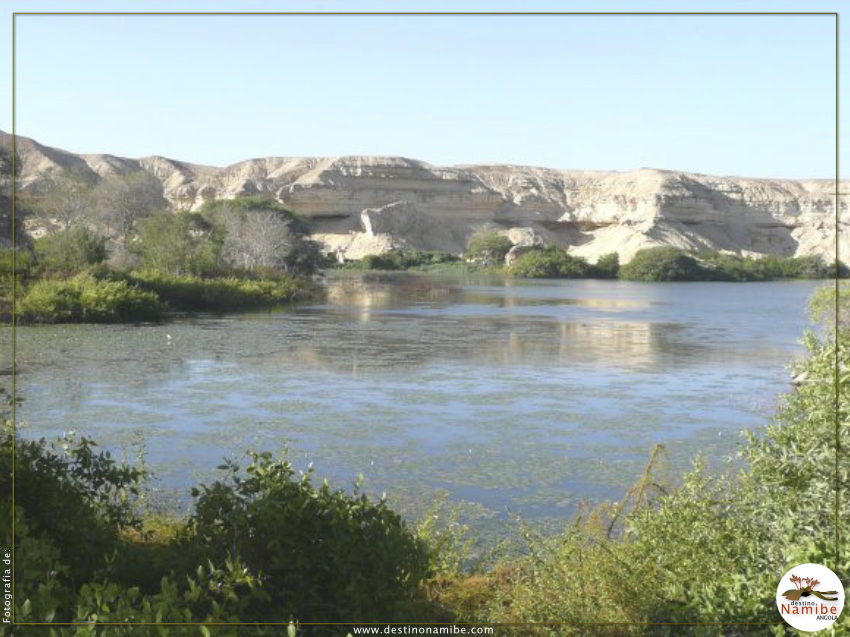
The Iona National Park was created in 1937, first as the Moçâmedes Hunting Reserve, then as the Porto Alexandre National Park (from 1944), becoming its current name in 1964. The nature reserve occupies a large part of the territorial extension of the commune, which has an area of 6,618 square kilometers and more than 17,000 inhabitants.
According to the Park's administrator, Sango de Sá, there was a population occupation of the territory in the order of almost seven percent, and the stated target is for the rate to not exceed three percent. In other words, more than 3,300 people live inside the park.
“With the increase in the number of people inside the Iona National Park, especially with the movement they make from the interior to the coast, in search of water for pasture, we have recorded many violations of safety and biodiversity protection rules in the region ”, he explains.
Sango de Sá listed the various consequences of the negative impact of anthroponymous actions in Iona Park, such as poaching, disappearance of some plant species considered endemic, felling of trees, undue exploitation of mineral resources, as well as the dispute over sources of water between cattle ranchers and wild animals in this reserve.
Under Decree 257/18 of 13 November, the management system of the Iona National Park gained the status equivalent to a public institute, and it is expected that the staff will be filled so that supervision is more effective in its performance, according to its administrator.
For Sango de Sá, the Park must have at least 150 inspectors, with the respective resources, so that action can be taken quickly against violators of biodiversity protection standards. The payment of salaries to the approximately 60 inspectors who work there is guaranteed by the Environment Fund, through the sector's own resources.
Source: angop
 English
 Português