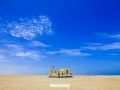
In the middle of the Namib desert
Located in the South of Angola, approximately 200 km from the city of Namibe, between the Atlantic Ocean and the Cunene and Curoca rivers, the Park occupies an area of 15,150 km².
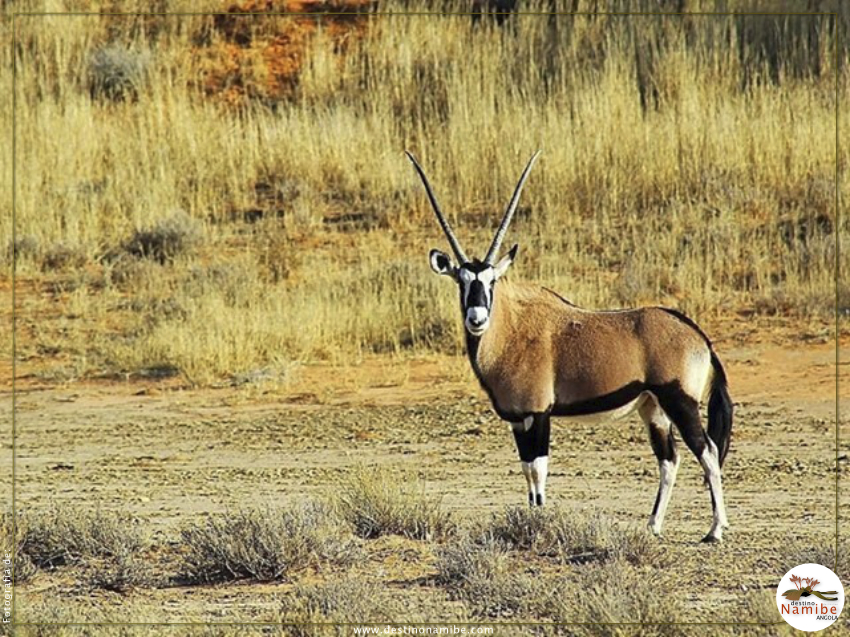
The headquarters of the future administration of the Park is Pedivas, the park has a rich biodiversity, having a fauna where, currently, herds of fan goats, Orix, Bonnets, Zebras, Ostriches, among others, are easily seen, with the Orix as the symbol of the park.< br>
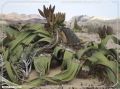
It also presents a diverse flora, with Welwitschia Mirabilis standing out. Iona National Park was established as a Game Reserve in 1937 and transformed into a national park in 1964.
In 2001 it began receiving visitors, on organized trips from Namibia. Before Angola's independence and the Angolan Civil War, Iona was an "animal paradise, rich in big game".
However, illegal hunting and destruction of infrastructure have caused considerable damage to the park.
This park is to be included in the Iona - Skeleton Coastal Transfrontier Conservation Area. There are three types of vegetation: anharas, dunes with bushes and savannah plain with small bushes.
There is an abundance of Welwitschia, a plant that can reach more than a thousand years of life. The park is known for its unique flora and incredible rock formations.
The Park's emblematic antelope is the Antelope, practically extinct, but there are other mammals such as the elephant, lion, gazelle, black rhinoceros, jaguar, hyena, gelengue, wild dog, cheetah, crocodiles, impala, and several species of zebra.< br>
The Iona National Park extends from the sand dunes next to the Atlantic Ocean, to the Tchamalinde mountains, to the east of it.
The center of the Park is made up of open plains.
Average annual rainfall varies between 100mm and 500mm, increasing as we move away from the sea.
There are thirty-one natural springs within the Park.
Geography:
The Iona National Park extends from the sand dunes next to the Atlantic Ocean, to the Tchamalinde mountains, to the east of it. The center of the Park is made up of open plains. Average annual rainfall varies between 100mm and 500mm, increasing as we move away from the sea. There are thirty-one natural springs within the Park.
History:
Iona National Park was established as a Game Reserve in 1937 and transformed into a national park in 1964. In 2001 it began receiving visitors, on organized trips from Namibia.
Before Angola's independence and the Angolan Civil War, Iona was an "animal paradise, rich in big game". However, illegal hunting and destruction of infrastructure have caused considerable damage to the park.








 English
 Português