What remains of an emblematic settlement of the colonization of southern Angola: BAÍA DOS TIGRES
It became the most important fishing center in the colony, and contributed greatly to the advancement of the Moçâmedes district.
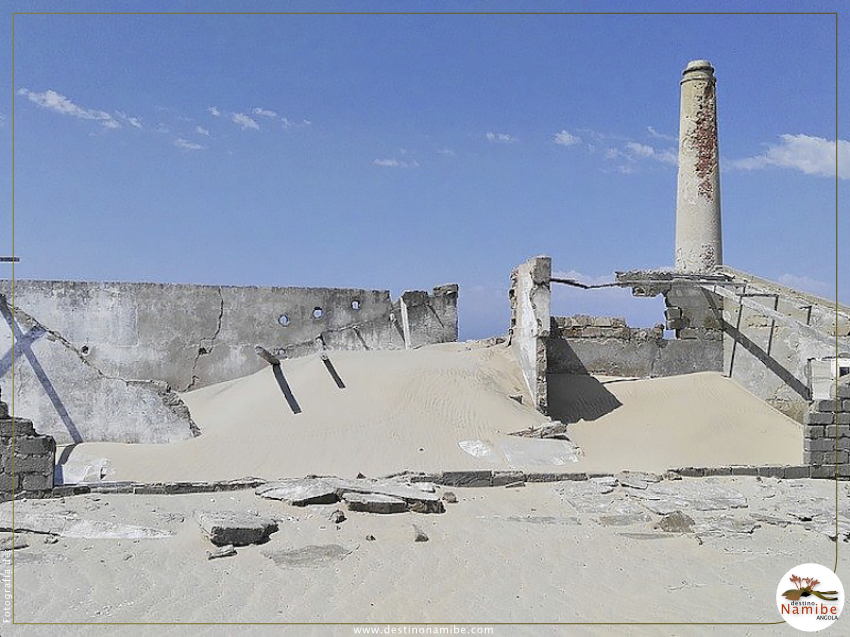
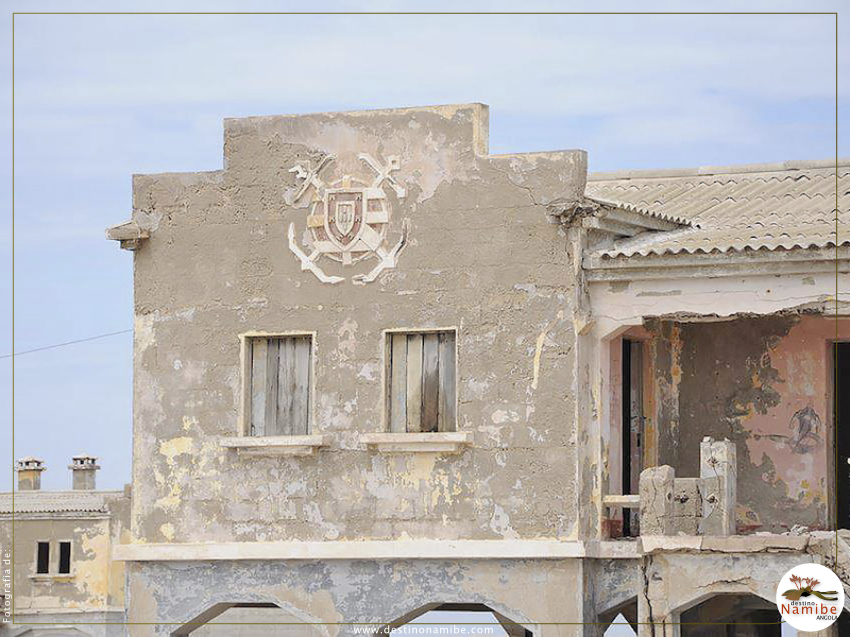
After decades of abandonment, after 1975, Baía dos Tigres is today a skeleton of itself same.
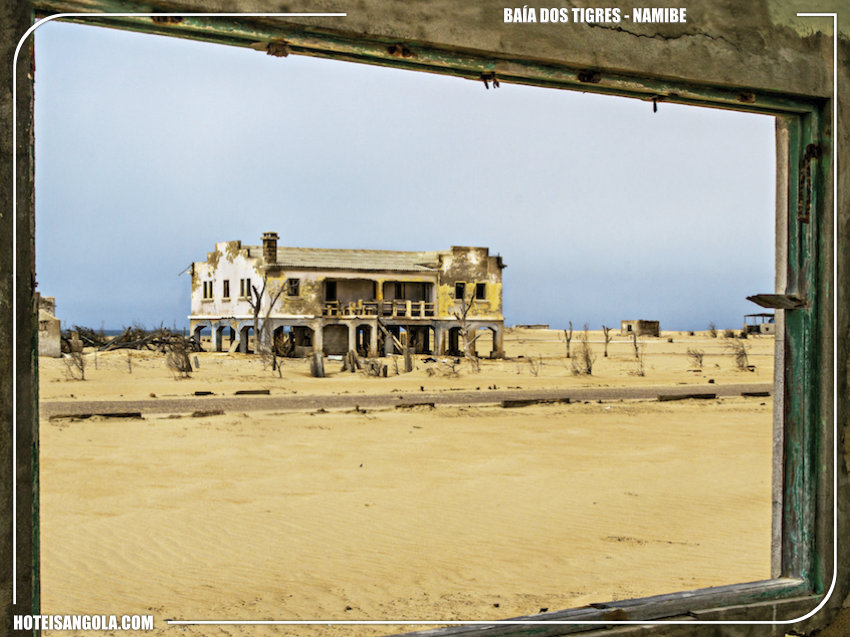
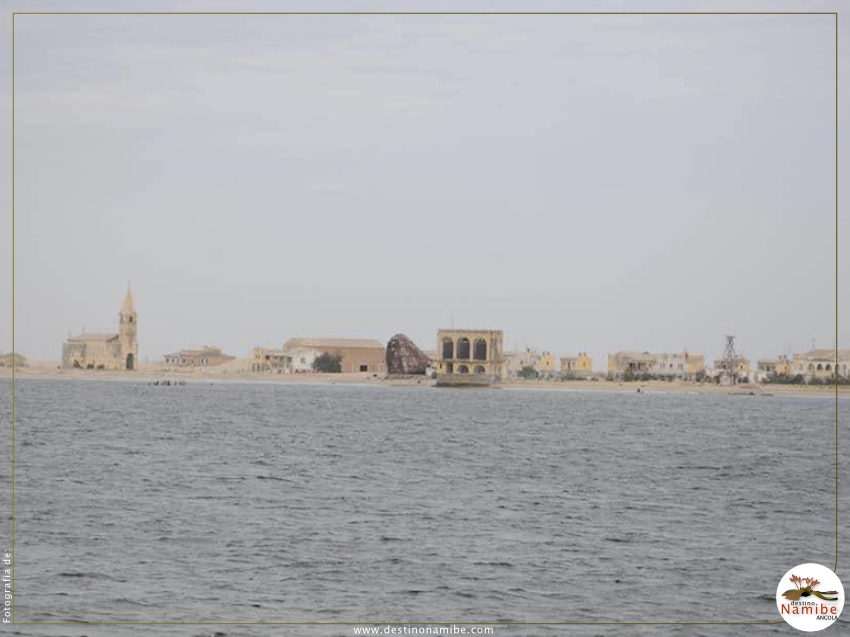
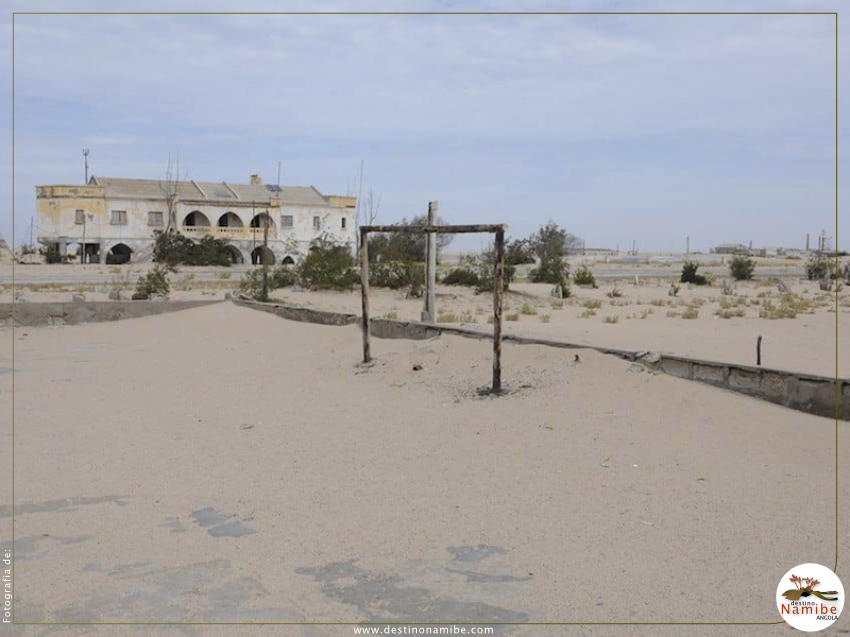
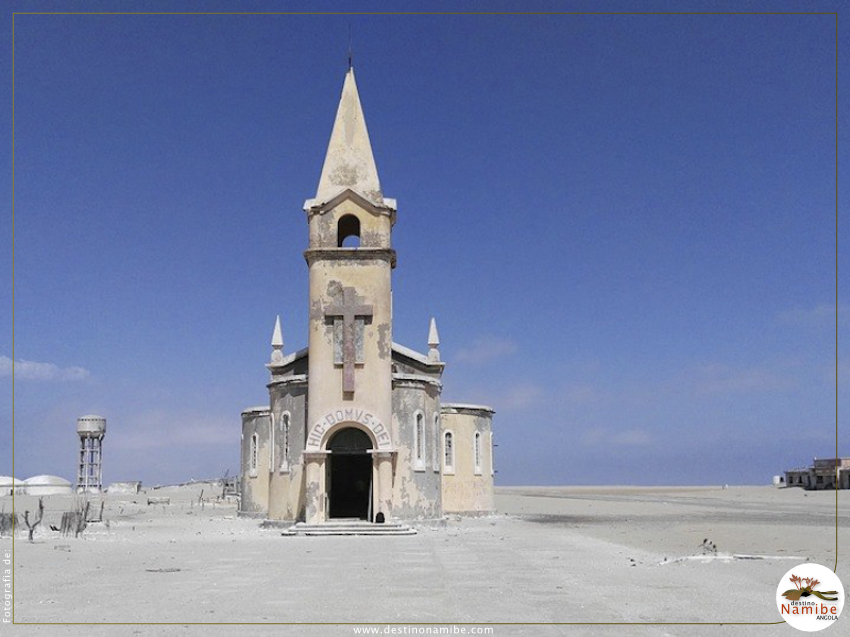
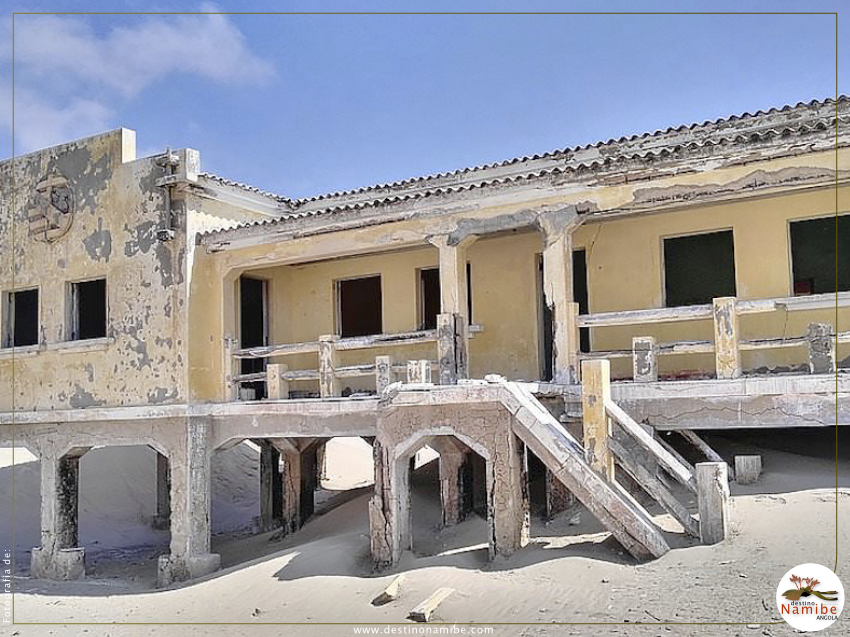
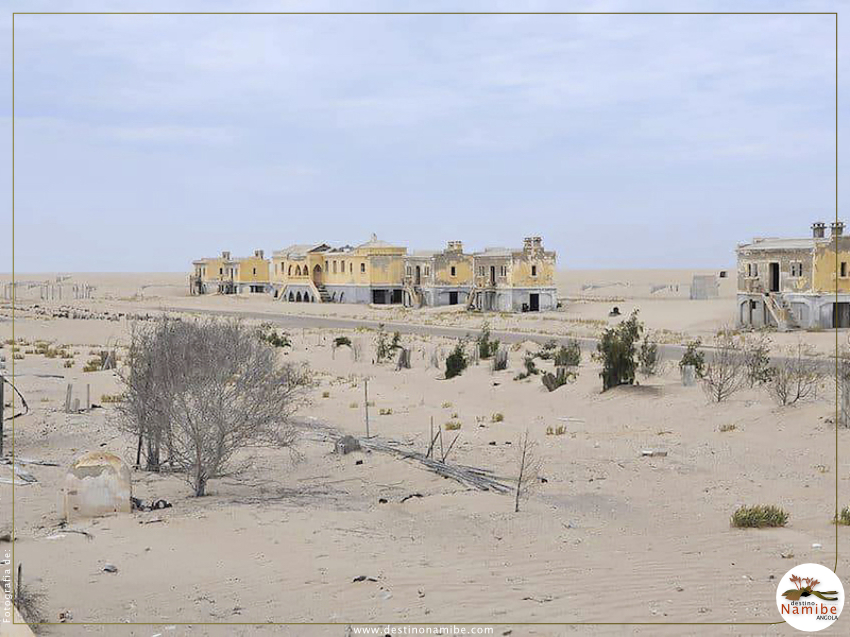
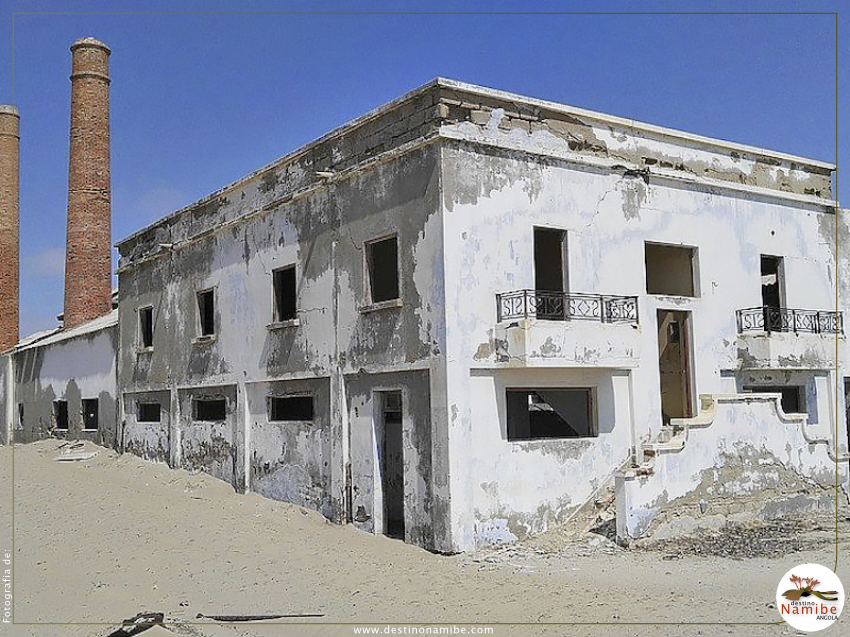
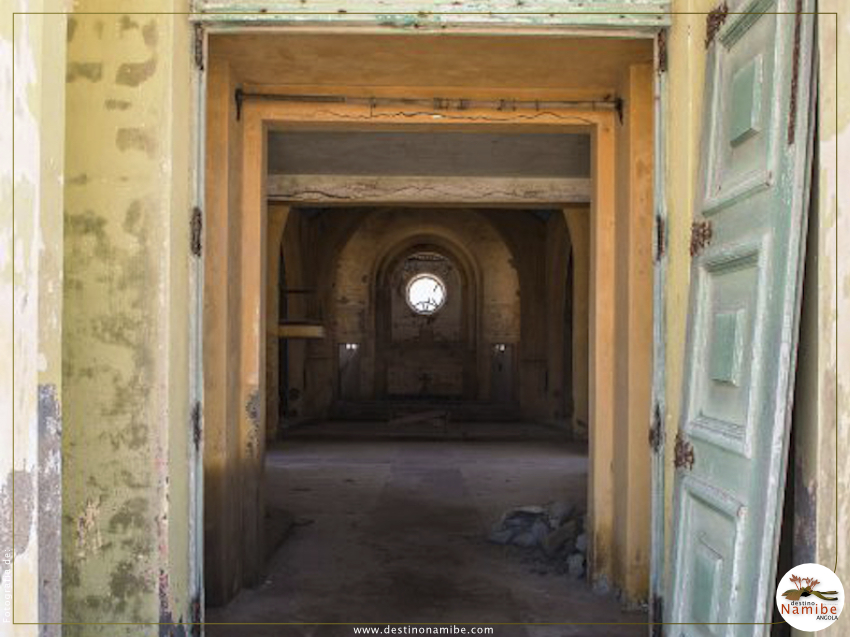
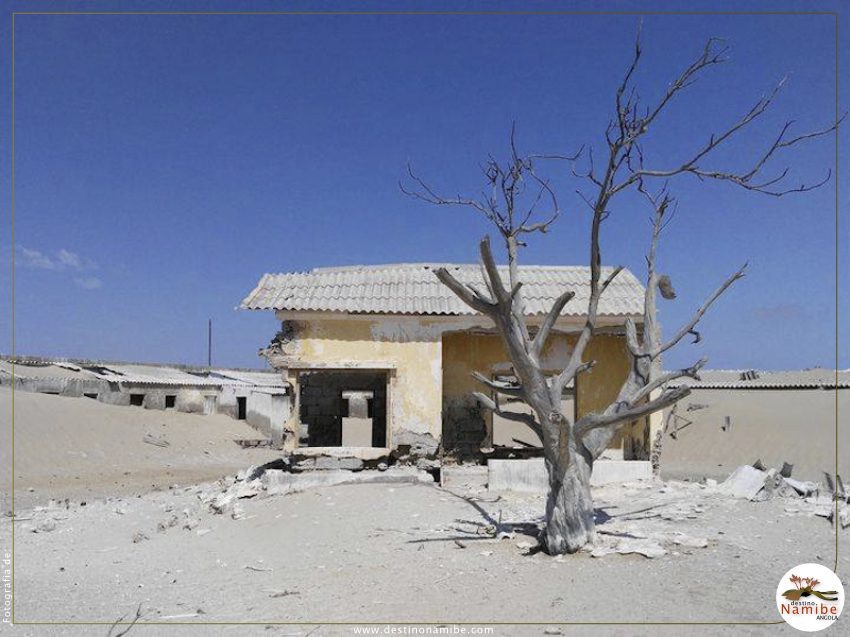
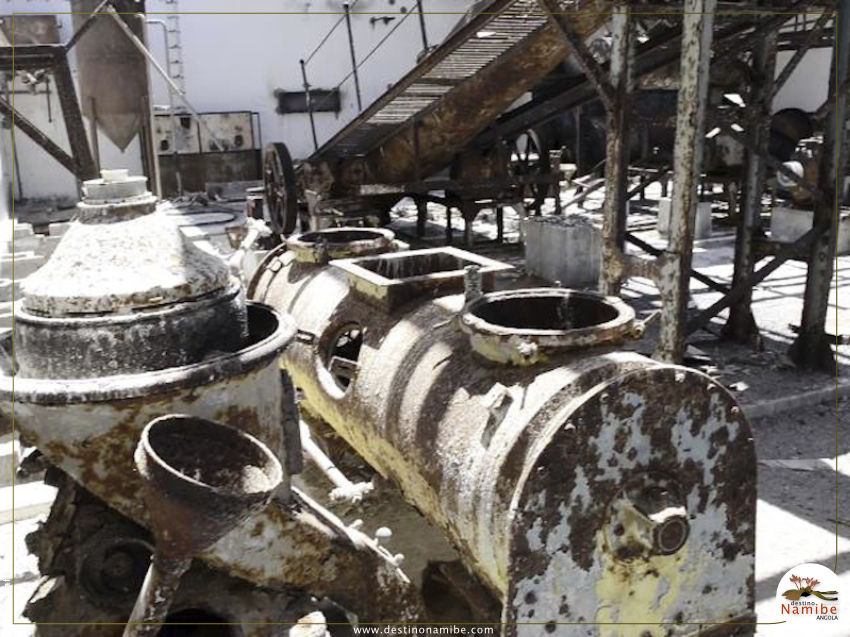
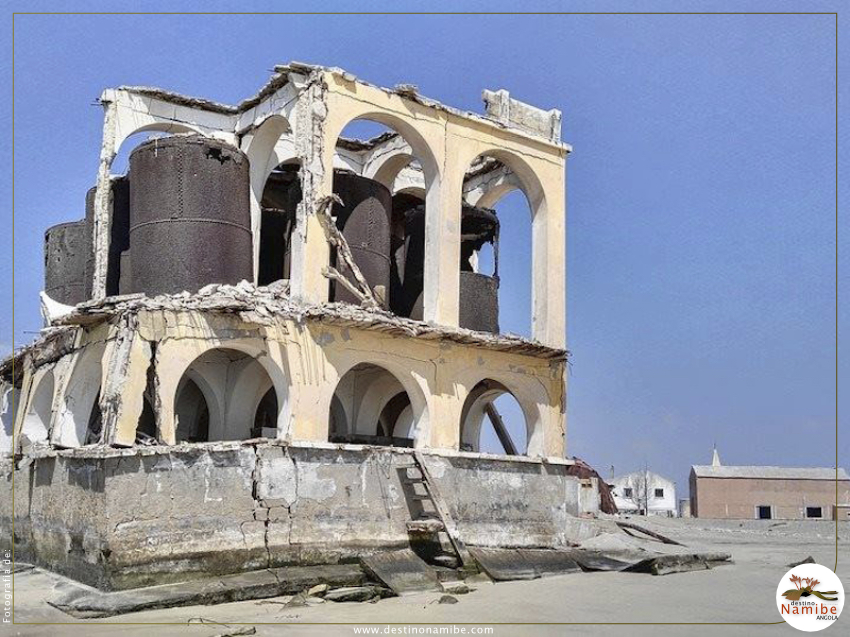
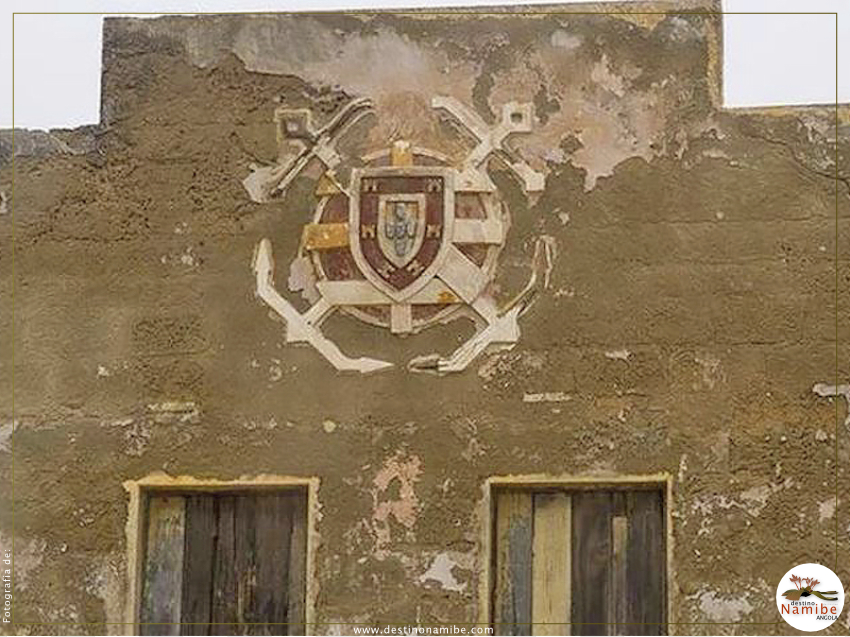
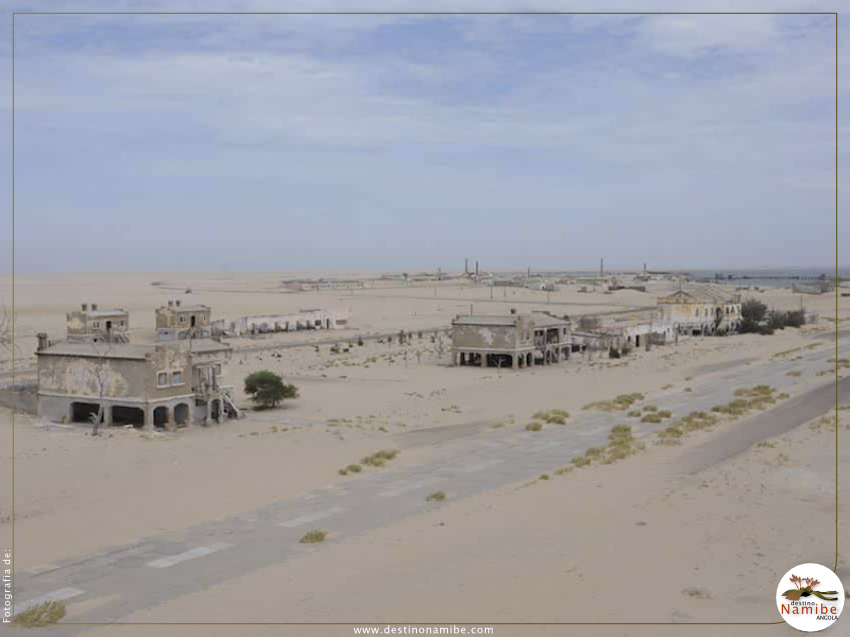
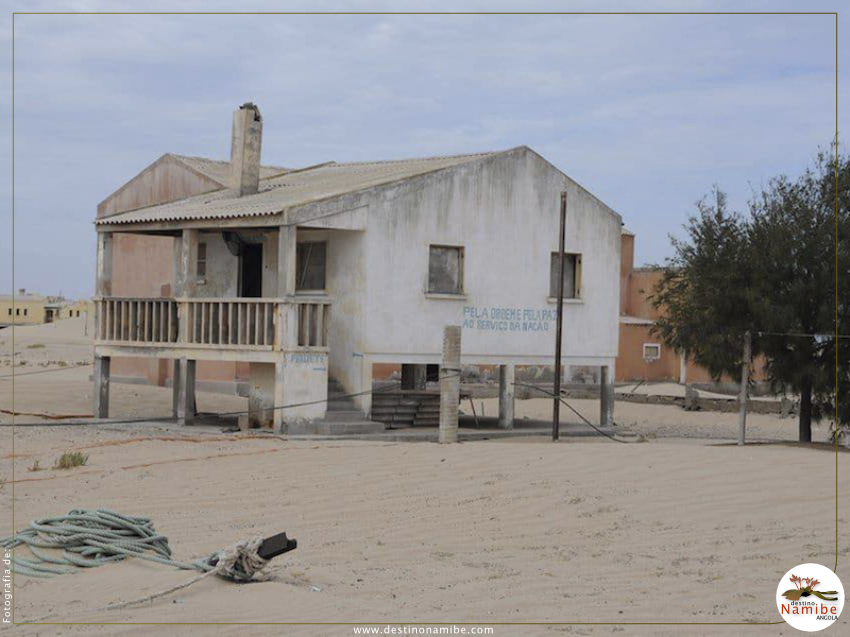
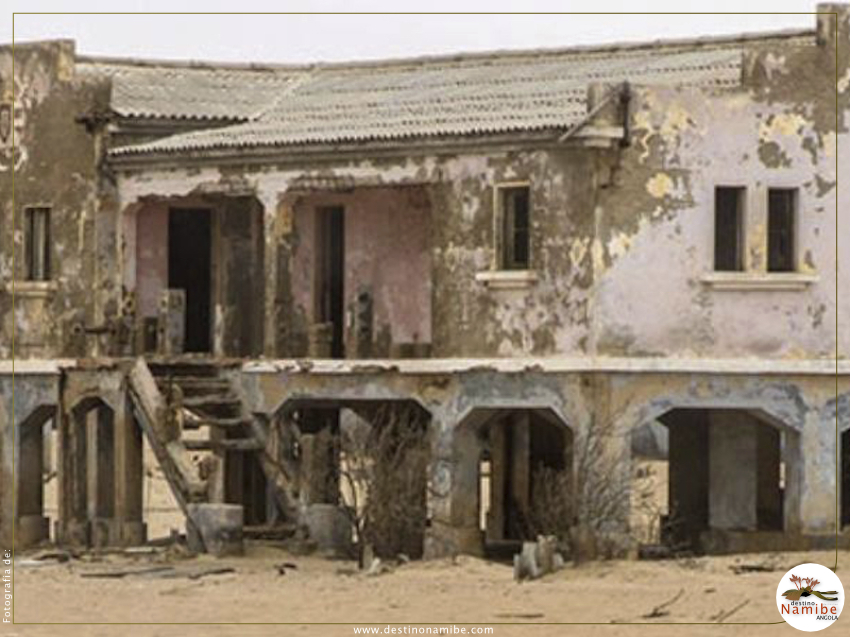
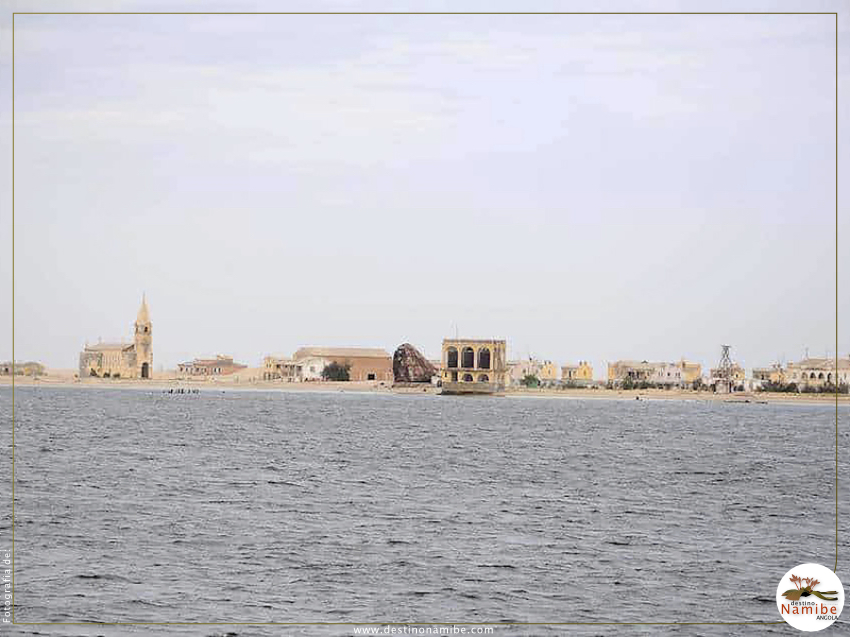
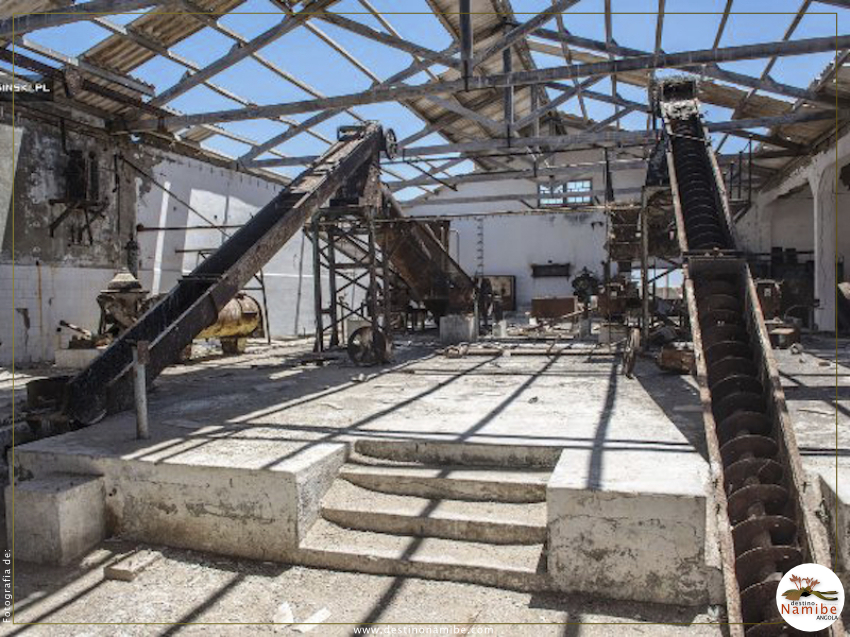
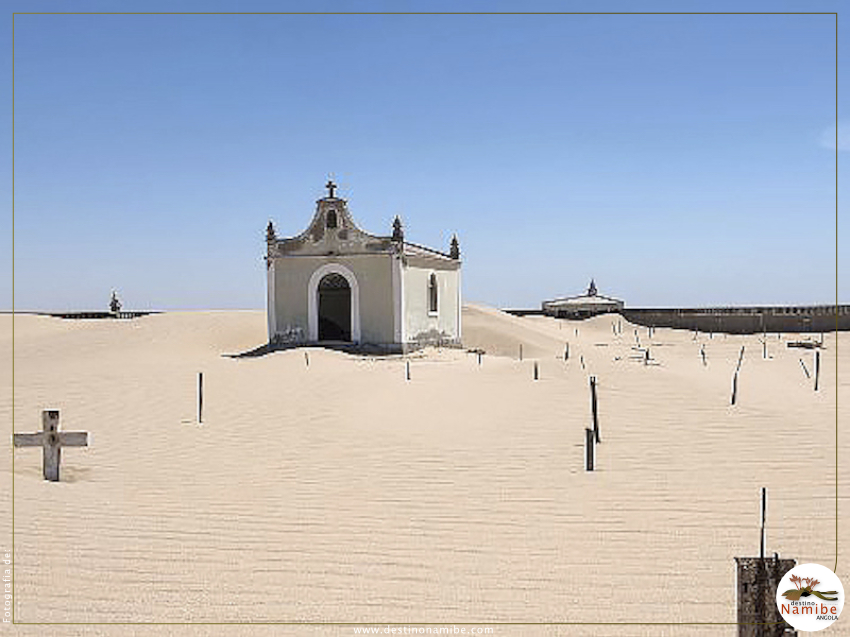
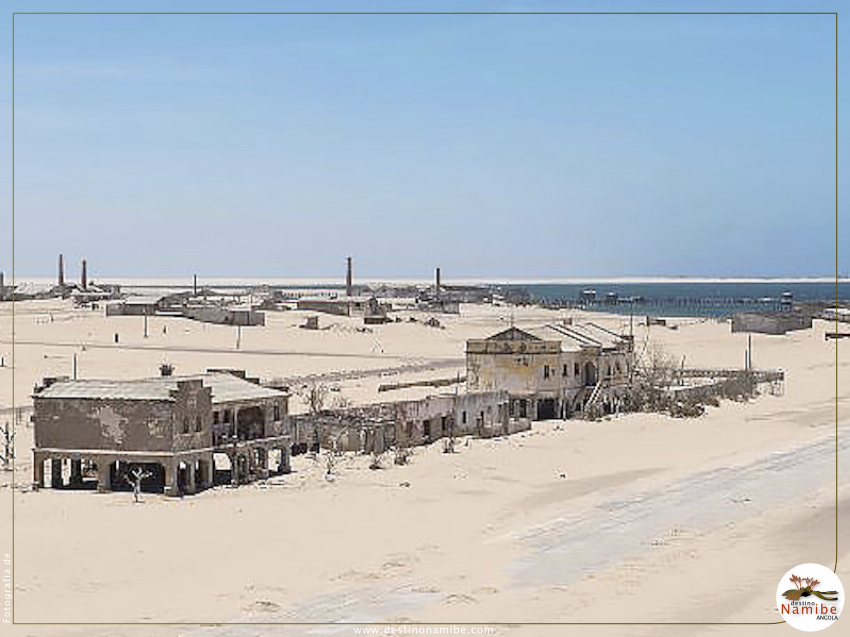
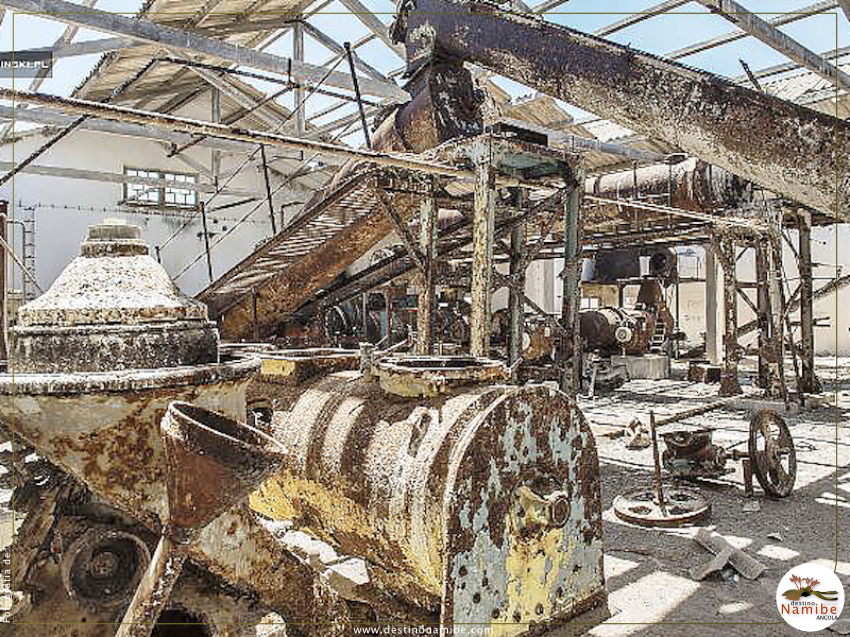
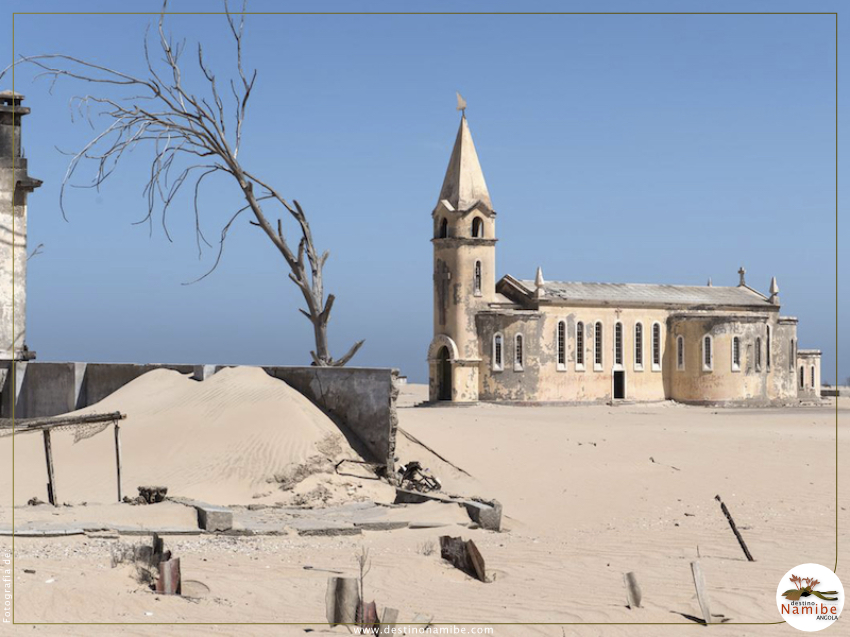
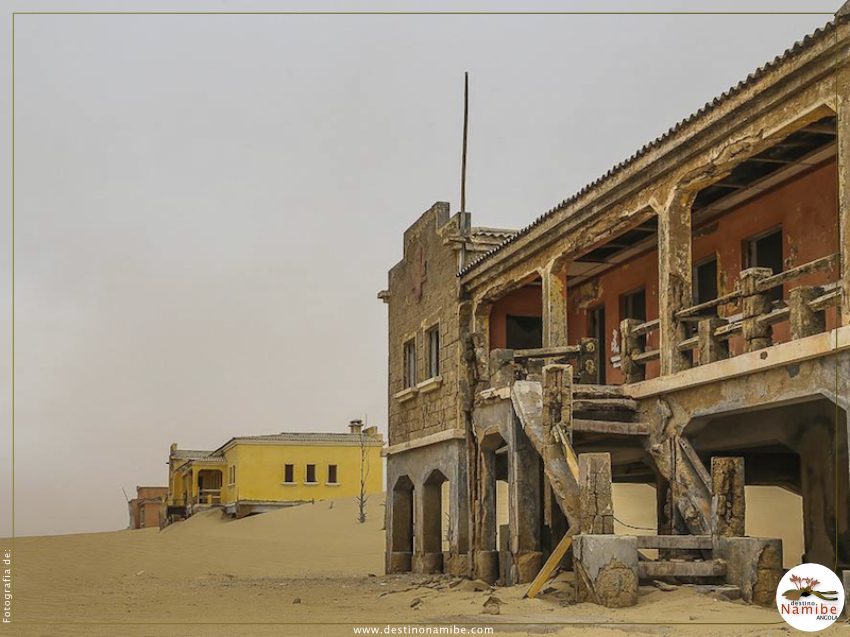
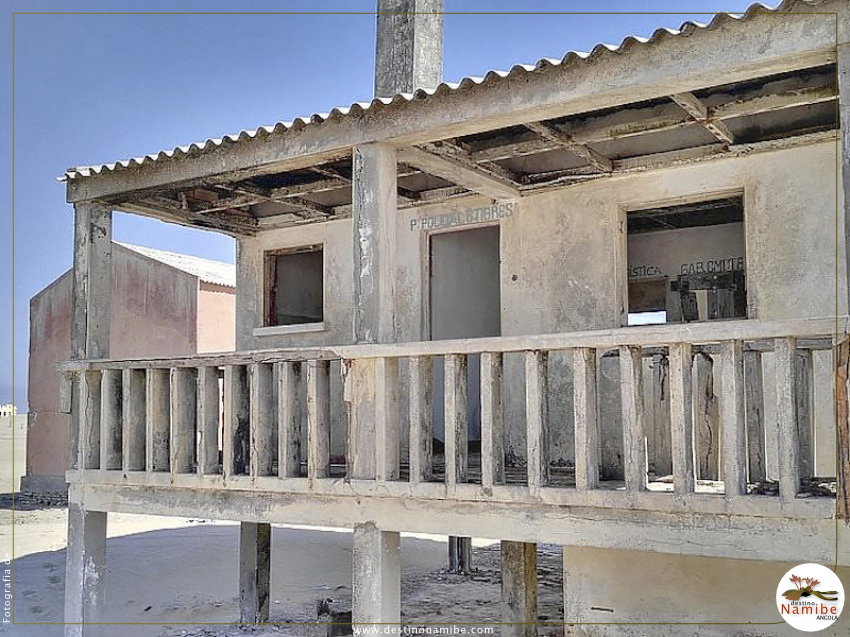
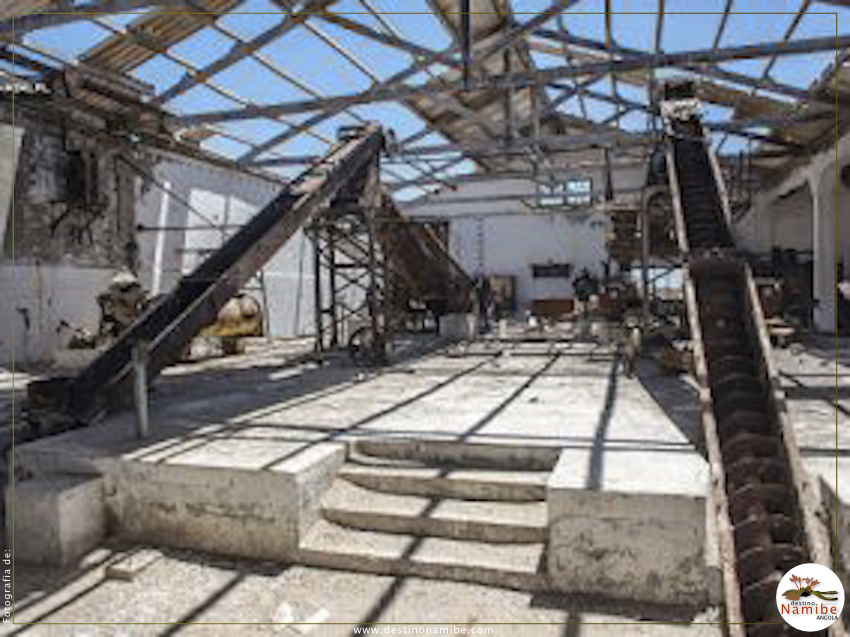
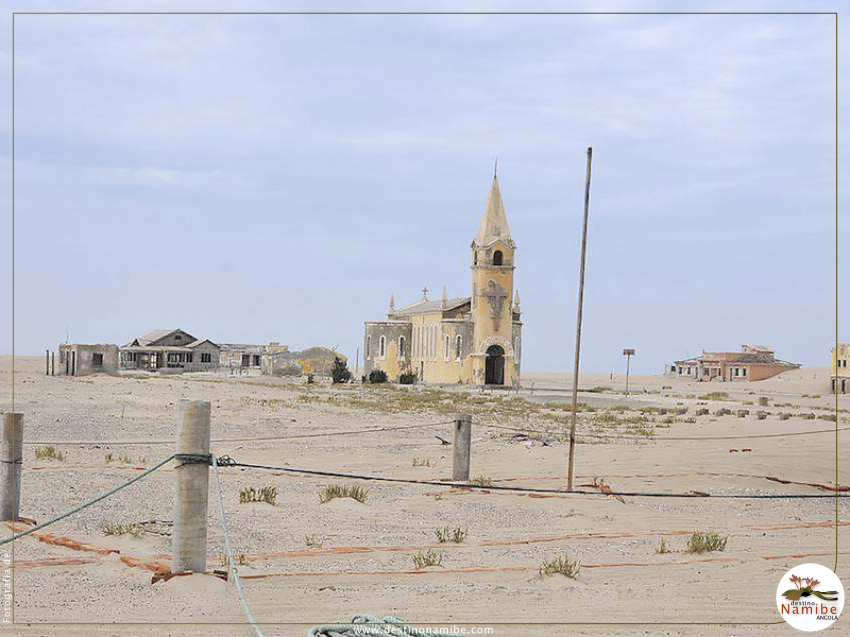
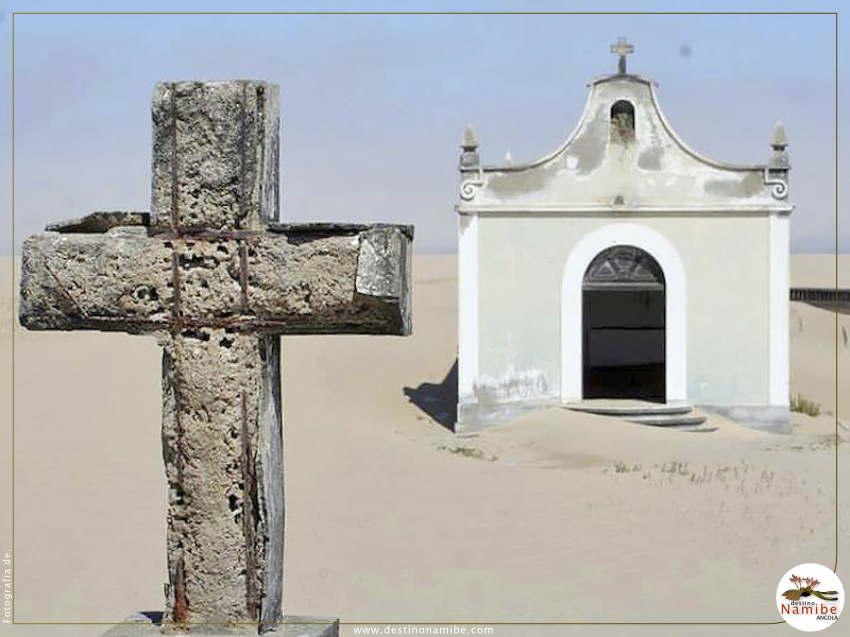
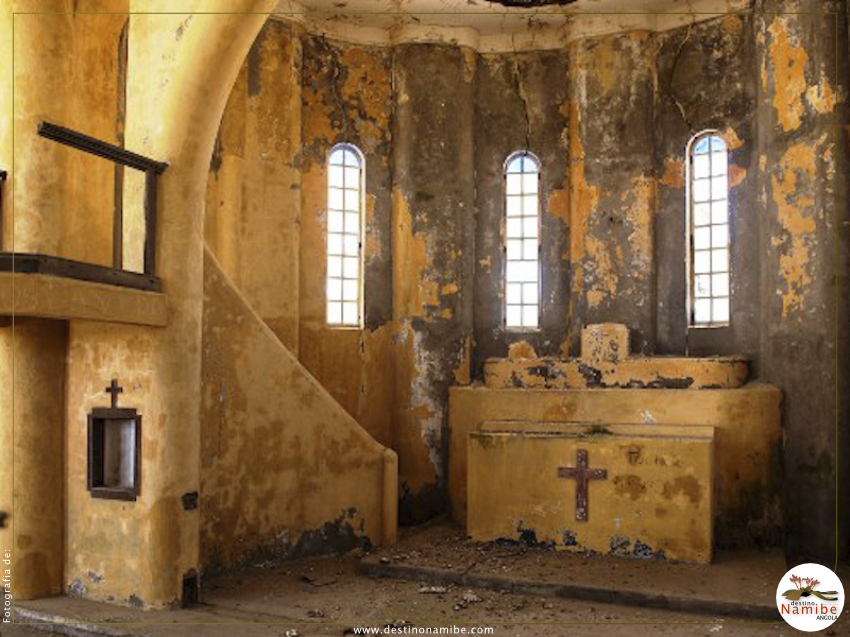
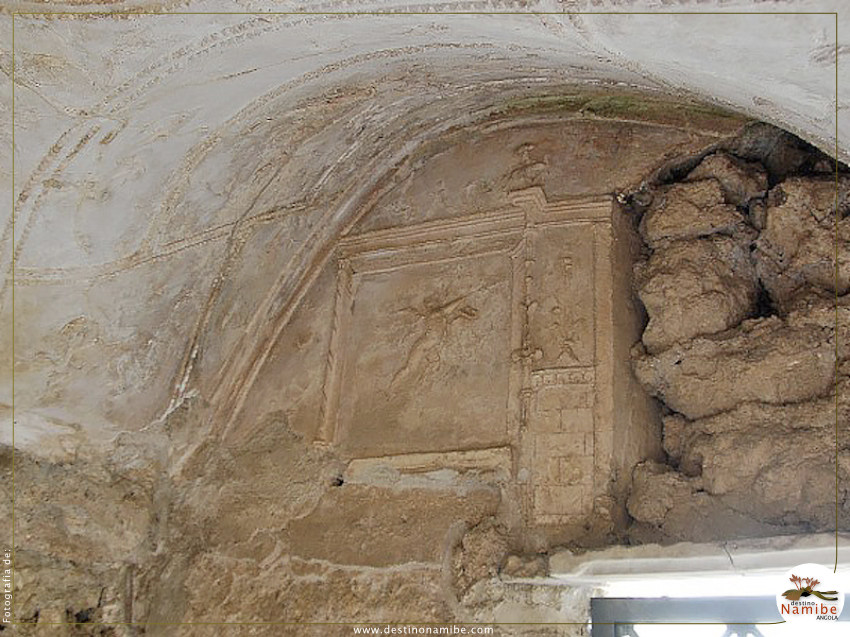
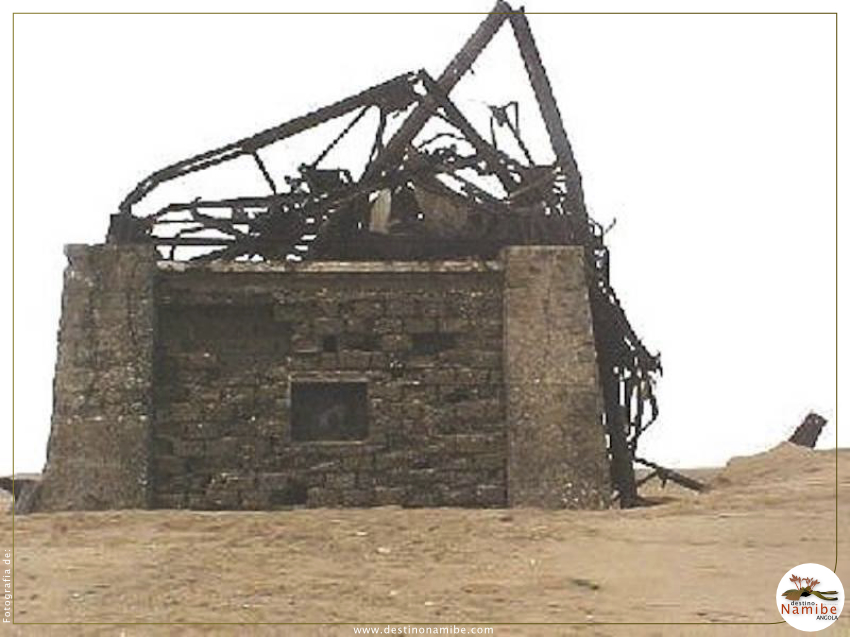
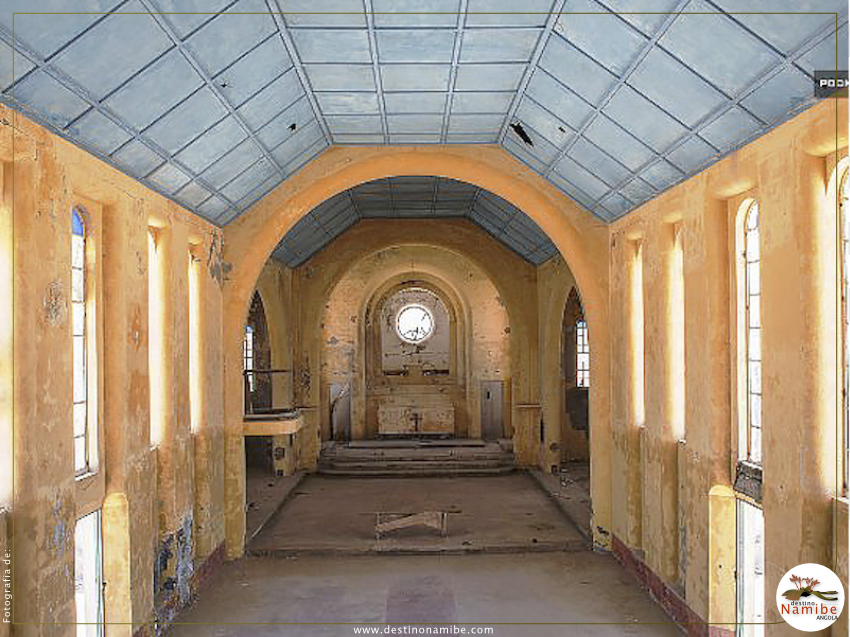
A spectrum of buildings half buried in the desert crying out for help, some abandoned fisheries, many other houses, a splendid chapel, a school, a health center, a hospital, a maritime delegation, a station postcard, a large number of which were built on cement pillars, in the form of stilts, to let the strong garrôa winds pass through, which covered everything in their path.
A truly surprising scene!
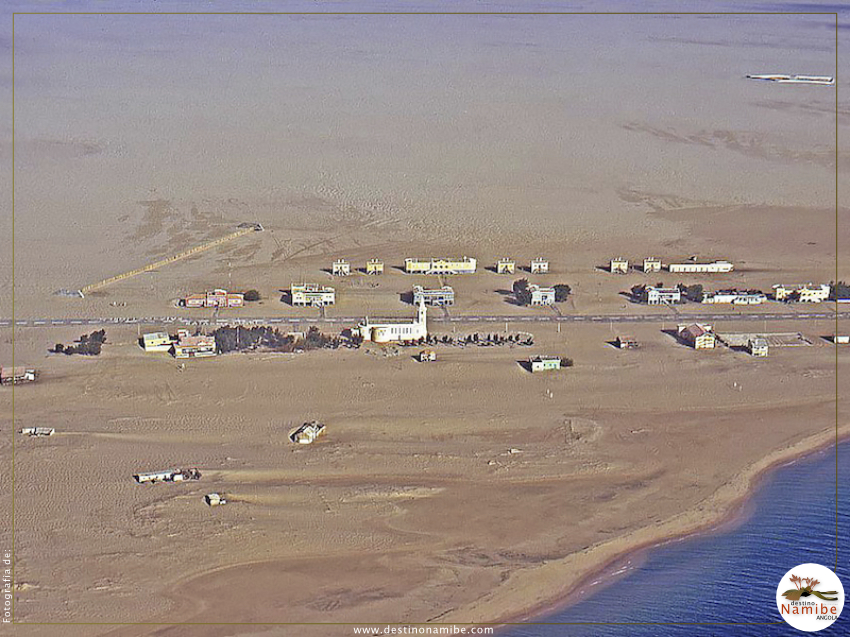
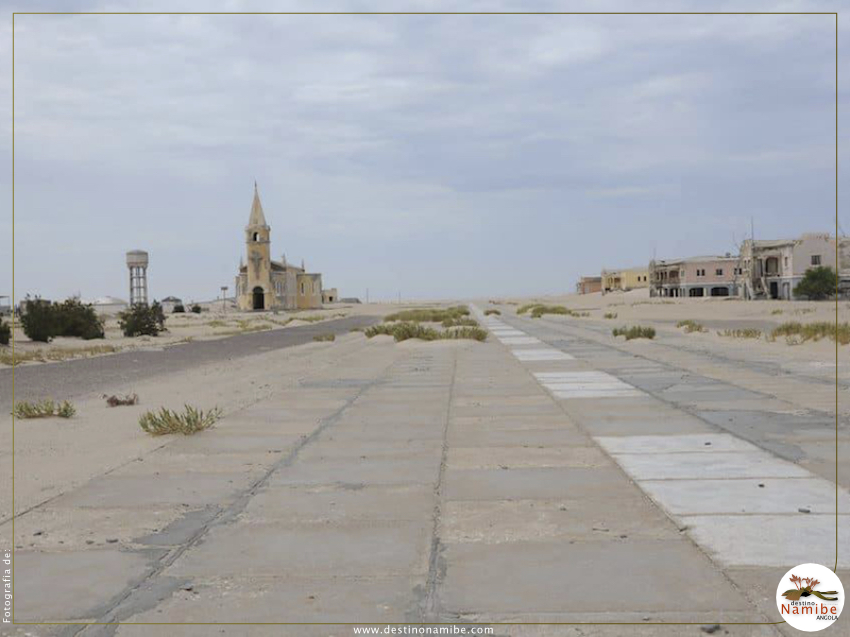
The semi-buried structures of the small town, founded in 1865, show us what the town was like, divided by a single street that was also an airstrip.
In 1975 Baía dos Tigres was abandoned, and the village, isolated, without drinking water or transport, succumbed to definitive abandonment.
Baía dos Tigres was first described in 1485, during Diogo Cão's second trip to the coasts of Angola, at the behest of D. João II. “Manga das Areias”, as the Portuguese navigator called it.
But Baía dos Tigres, like the entire south of Angola, was also slow to be occupied, and only in 1865 was it set foot for the first time by Algarve fishermen, at a time when colonization had already started in Moçâmedes since 1849 with settlers coming from Pernambuco (Brazil), focusing on agriculture in the Bero and Giraúl floodplains, centered on the cultivation of sugar cane and cotton.
It was crew members of American whaling ships that operated in the South Atlantic, between Angola and the Island of St. Helena, and who frequently visited Baía dos Tigres, where they fished, who alerted the Algarve fishermen in Porto Alexandre about the abundance of fish in those areas. cold waters rich in marine life, the same whalers who went to make aguada in Moçâmedes, that is, they went to supply themselves with water and purchase fresh food and who began to trade agricultural products and also ivory and cattle that came from the backlands . (Hence the name "Aguada" given to that area of the city of Moçâmedes, close to the Bero floodplains.)
And so the town of Baía dos Tigres was born, whose sole reason for being was fishing activity, favored by the abundance of fish, related to the constant rise of deep waters (upwelling), cold and very rich in plankton, a factor that overlapped to all the constraints that imposed the greatest difficulties on human presence.
It was no coincidence that the English called the Bay of Tigers, Great Fish Bay. In addition to the large quantity of fish, and the marine animals that proliferate there, including abundant turtles, Baía dos Tigres is very rich in bird species that nest there.
And as for the name "Baía dos Tigres"... Why? If in reality along the 35 km of the island, ten km wide, there is no news of a single tiger? And apparently, there never was!
There are several theories about the origin of the name of Baía dos Tigres. Some suggest that the name Baía dos Tigres was inspired by the strong noises caused by the wind that blow to the south of the bay, similar to the howl of an animal, resulting from the effect of the movement of sand from the dunes driven by the strong winds that buffet the Bay, now transformed on an Island.
Others point to the play of light and shadows that are reflected in the sand by wearing striped skin, similar to that of tigers.
Still others mention that the place was infested with hyenas striped and wild dogs capable of fishing in packs, which would have been confused with tigers. There is also the theory of seals, the “tigers of the sea”, which hitchhike there on the icy waters coming from the south.
A trip by land to Baía dos Tigres was a true adventure that only daring spirits were capable of experiencing.
This text posted on the internet by an unidentified fellow countryman shows how this adventure was lived:
"There are dunes and more dunes, a sea of dunes all the way to Tigres Bay.
An immense sea on the port side that collides head-on with the vastness of the desert on the starboard side in a sound that sounds like a painful and repeated cry.
Some Sometimes you advance by skating in the water and other times by flying on the crest of the dunes.
With half-empty tires we ride out time in an insistent and stubborn fight against the waves of loose sand.
Like a sailboat in the open sea digging endless waves.
We don't see a soul, just a dizzy and disoriented tern, lost from its usual route. And the remains of old ships that the sea mercifully buried on the beach.
The foam of this ocean, blown by the waves, falls asleep. and dies in the sand. This land was not made for people or animals.
Only the wind can live here, and even then its complaint is constant and often violent.
There are those who say that the name Bahia of the Tigres is due to the unnerving noise of a harassed beast that the swirling sand causes in the upper cone of the dunes.
The sun feels the desire to kiss the day.
The closed cacimbo opposes it, but the star wins. the red fire of passion overflowing beyond the horizon.
Then lay your head in the sea and stretch out on the dunes. As if wanting to revive this end of the world where not even the saddest and loneliest of tigers could resist. "
Between the 15th century and the date of settlement of those sands, in 1865, cartographers-navigators witnessed the periodic transmutation that took place there. Navigation charts and maps from around the world testify to the cyclical transformation of the restinga into an island, and the island into a sandbank.
The last time that Baía dos Tigres lost its connection to dry land was on March 14, 1962.
On that day, according to witnesses at the time, a strong calamity with waves of more than ten meters broke the fragile string of sand that connected Baía dos Tigres to the mainland and transformed the town into an island.
And so it remains until today. At that time, the channels that brought fresh water from the mouth of the Cunene to Baía dos Tigres collapsed.
Baía dos Tigres, or rather Tigres Island, is today an abandoned arid, salty, ghostly place, a sacred place in the middle of the dunes that never stop moving under the force of buffeting winds that cover everything in their path.
A place, despite everything, fascinating, and with each passing day the risk of its complete disappearance increases.
Many photos were taken from here: http://www.livethejourney. co.za/blog/ghost-island-ihla-dos-tigres/









 English
 Português