Moçâmedes Basic Route

Fundamental Route of Moçâmedes
Featured Route

Moçâmedes Basic Route

Duration: 4 hours

Distance: +/- 7 km

Cost: No entrance fees at the sites

Type of vehicle: Tourist vehicle

Access: Road

Description
This route is an invitation to discover Moçâmedes with time and attention, walking along some of the city’s most emblematic streets and surrounding areas. Between the sea and the desert, the route passes through historical spaces and viewpoints that help you understand the identity and rhythm of this region in southern Angola. It is a circuit designed for those who want to feel and experience Moçâmedes—observe, walk, photograph, and listen to local stories—without rushing. Ideal both for first-time visitors and for those who wish to rediscover the city in a closer and more authentic way.

Route Map


...... From Praia das Miragens to Arte Mbali .....

Supplementary Information
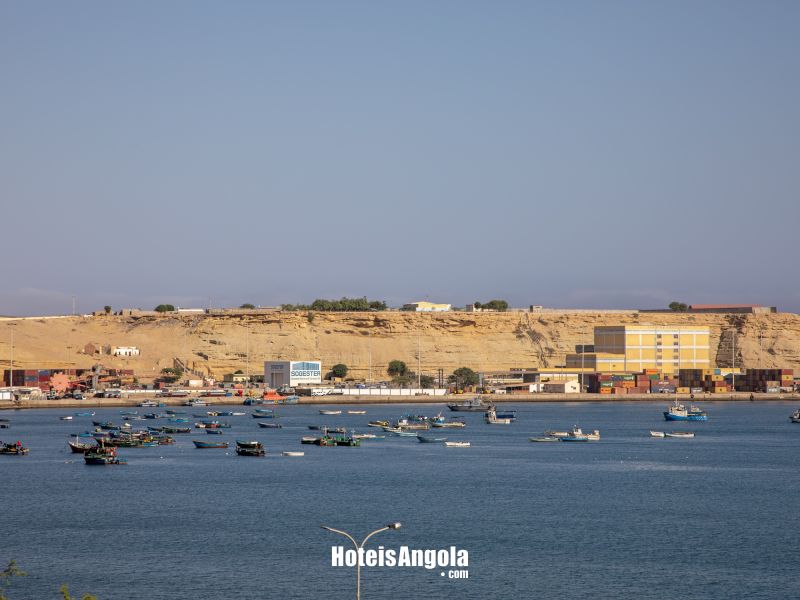
  • Praia das Miragens (Marginal) - This beach is already one of the postcards of Namibe Province. Praia da Miragem is located in the city center, along the waterfront where most of Namibe’s restaurants and bars are located.
    When the heat sets in, the beach fills up to the point that the waterfront takes on a lively, summery atmosphere, with several street vendors and bars and restaurants operating at full steam.
  • Cine Estúdio Namibe - In 1973, the owners of Cine-Moçâmedes, Messrs. Bauleth, Eurico, and Gaspar, commissioned Atelier Boper to design a new cinema building for the city. Its implementation would occupy a crucial place in the development of the urban plan, which was never realized due to major demographic flight during the popular movements that preceded the country’s independence. The cinema, nicknamed by many as “the spaceship,” stands on a vacant lot at the intersection of the new avenue to the new airport, which began construction in January 1974.
  • Church of Santo Adrião - The Parish Church of Santo Adrião of Moçâmedes began to be built on July 27, 1849. By Provincial Instructions of March 30 of that year, issued by Governor-General Acácio Adrião da Silveira Pinto, Major Ferreira Horta was tasked to “build a temple of sufficient dimensions to accommodate not only all the inhabitants of the colony, but also the neighboring natives who might come to the settlement to attend religious services, or who might be there on holy days.”
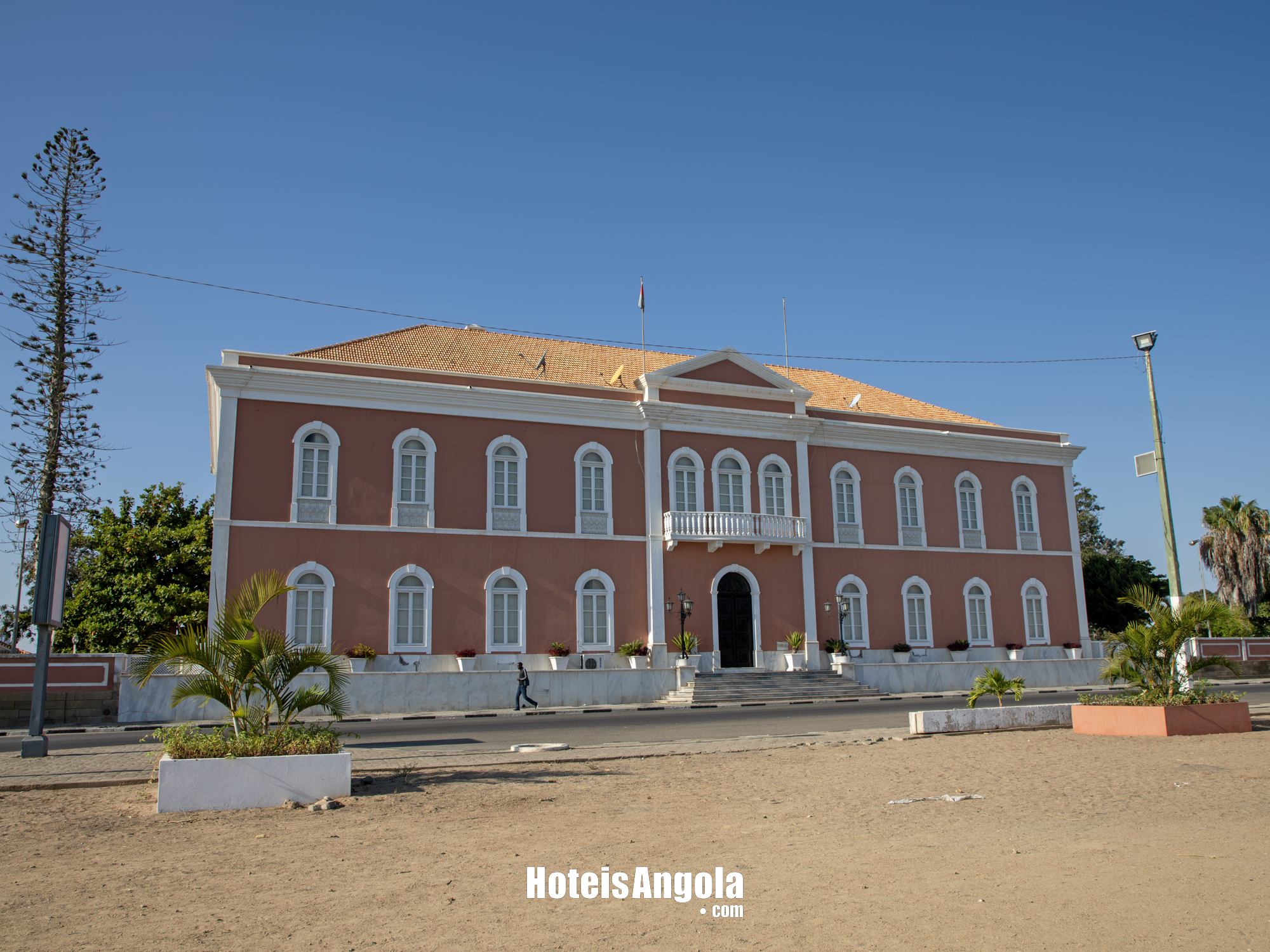
  • Palace of Moçâmedes - Sober and imposing, with classic 19th-century architecture, the Palace features a façade divided into three bodies, with the central body crowned by a triangular pediment, in the middle of which were the Portuguese coat of arms. Anyone entering the bay of Moçâmedes by ship, trawler, or boat would immediately notice the presence of this Palace, located west of the city, set on elevated ground (about 20 meters above sea level), dominating the entire bay.
  • Fortress of São Fernando (Namibe Fortress) - Built by Portuguese navigators in the 19th century (1838–1844), on what was then Morro da Ponta Negra, the structure has served as the Namibe Naval Base (BNN) since 1991. It dates back to the first half of the 19th century, in the context of Portuguese colonization of the Bay of Namibe, with the function of defending the presidio (military settlement) founded there.
  • Moçâmedes Courthouse Building - Although the service has been modernized, the institution often operates in buildings that are part of the city’s built historical heritage, alongside other landmarks such as the Provincial Government and the National Bank of Angola. The Moçâmedes District Court was officially inaugurated on July 9, 2019, as part of the implementation of Angola’s new judicial map.
    It is characterized by an orthogonal urban grid and buildings with Portuguese colonial features, concentrated mainly in the area perpendicular to the bay.
  • Moçâmedes Garden – “Millionaire’s Garden” - A historic and beautiful green space revitalized in Moçâmedes, famous for its beauty and design dating back to the colonial era, with a recent refurbishment project that included tree planting and leisure areas, making it a place of pride and gathering for the local population, despite past maintenance challenges. The inauguration took place as a symbolic act of tribute to Eduardo Mondlane, a historical figure in Mozambique’s liberation struggle, whose name was given to the garden.
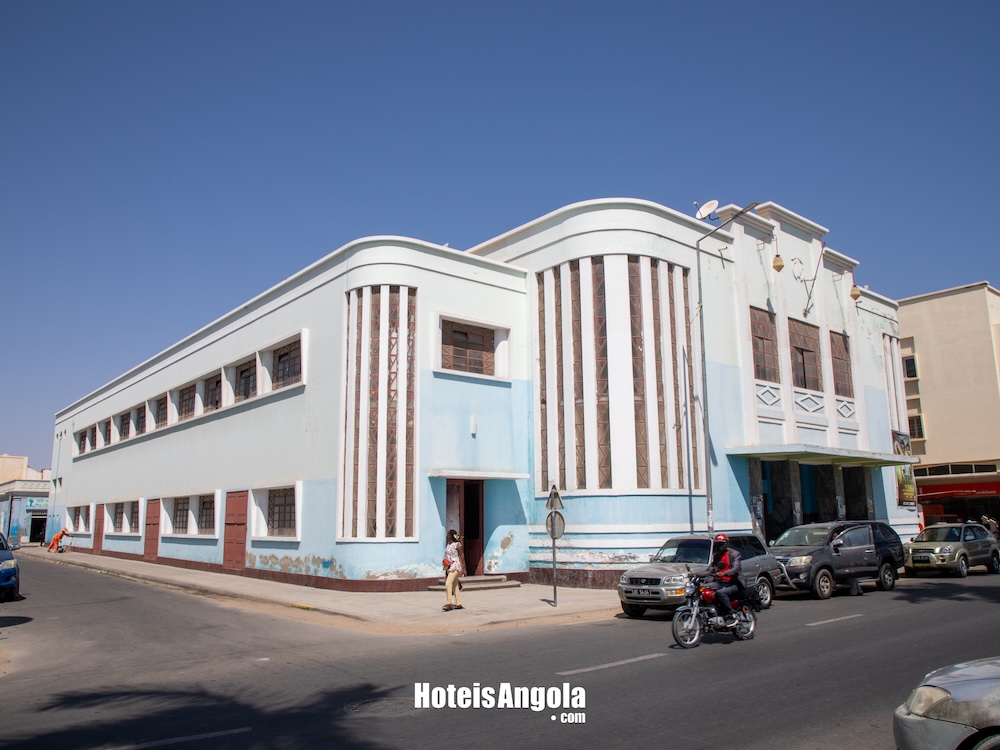
  • Cine Theatre of Moçâmedes - Benefiting from a privileged location, almost halfway along Rua da Praia do Bonfim, facing the Avenue, on a site where in the 1940s there was a small landscaped square called Jardim da Colónia, where the monument to the settler founders was to be placed. Here stands the Cine Theatre of Moçâmedes, popularly known as the “Eurico Cinema,” featuring architectural lines considered revolutionary for the time—Art Deco—this marvel that served as a decisive springboard for modernist architecture.
  • The Namibe Customs Building - Standing out for its Estado Novo architecture with arcades, a circular tower, and a beautiful interior with a monumental staircase, it is a symbol of Angola’s port and banking history, classified as historical-cultural heritage. Inaugurated on September 7, 1956, by then Portuguese President Craveiro Lopes, it served as an agency of the Bank of Angola and, after 1976, of the National Bank of Angola (BNA), having been declared historical-cultural heritage on April 8, 1995.
  • Namibe Provincial Museum - Identified as the “Guardian of the Memory of Southern Angola,” in the historic center of Moçâmedes, the Namibe Regional Museum stands as one of the most important cultural institutions in southern Angola, playing a decisive role in preserving collective memory, cultural identity, and the province’s natural diversity. Currently housing the Provincial Department of Culture and Tourism of Namibe, the Provincial Museum also includes annexes: galleries and service areas.
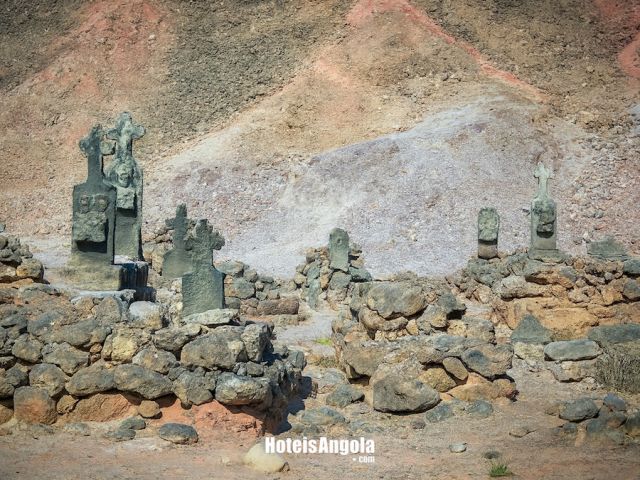
  • Arte Mbali - Few territories in Angola preserve an artistic expression as unique as Namibe. Between Moçâmedes and Bentiaba lies Mbali art, also recorded as Mbari, a funerary tradition that turns memory into an artistic object and places this region at the highest level of African anthropology. Here, art does not merely represent death: it interprets it, ritualizes it, and returns it to the community as an identity symbol.
Recommendations
  • Preferably wear sports shoes;
  • Wear a hat;
  • Use sunscreen;
  • Water per participant;
Accommodation

Alojamento

  • House 2
    Casa 2 is a true journey through time. It is a house of colonial architecture, carefully restored, where the historical essence was prese...
  • Residencial Maweza
    Simplicity and hospitality in the heart of Namibe
  • Hotel Yona Namibe
    Located in the city of Moçâmedes, in the province of Namibe, this hotel is located in a unique setting where the desert meets the Atlanti...
  • Viva Executive Hotel Namibe
    Viva Executive Hotel Namibe is a modern and functional hotel unit, prepared to receive individual guests, groups and delegations, with hi...
  • Hotel Chik Chik Namibe
    The irresistible and therapeutic view of the sea and the Namib Desert are the breathtaking calling card of the Chik Chik Namibe monument....


Newsletter

Un-subscribe

If you want to stop receiving newsletters write here the Removal Code shown in newsletter you reveived by us and click Un-subscribe.

Invalid e-mail address
 
Please wait...

Support Line - destinonamibe.com

Support Line

WhatsApp WhatsApp

Number: +244 931 510 510

Message opens automatically when you click

Email Email

Email: info@destinonamibe.com

For detailed requests or sending documents.

Available daily from 08:00 to 22:00. This support line helps clarify doubts, assist with reservations and guide you towards the best accommodation and tourism services.


Saco Mar itinerary
Previous article
Saco Mar itinerary