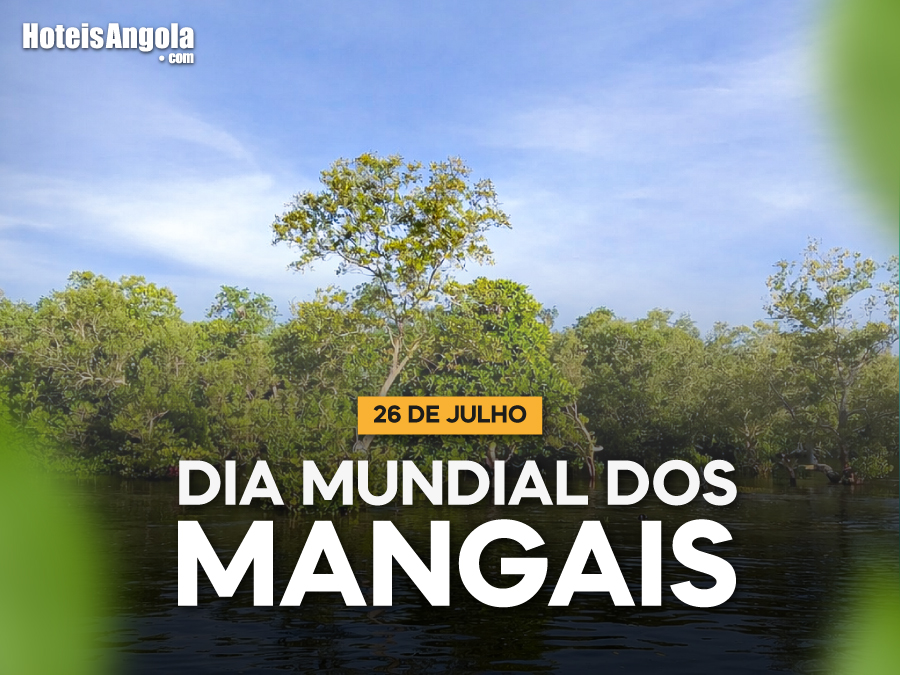
Celebrated annually on July 26 (proclaimed by UNESCO in 2015), it highlights the importance of mangroves as unique, vulnerable, and vital ecosystems for coastal biodiversity, protection against erosion, climate change mitigation, and the livelihoods of local communities. Its main objective is to raise awareness of the urgent need to protect, restore, and sustainably manage mangroves, which are often threatened by coastal development.
Originally, mangroves are coastal ecosystems formed by trees adapted to saltwater, known as mangrove forests.
These natural formations develop in tropical and subtropical regions, where the meeting of the sea and rivers creates unique conditions for life.
Mangroves are considered one of the most important ecosystems on the planet due to their ability to protect coastal areas from erosion, reduce the impact of tides, and serve as nurseries for a wide variety of marine species, functioning as true natural "breeding grounds." Numerous species of fish, crustaceans (such as shrimp and crabs), and mollusks use this environment for reproduction and growth. This supports entire food chains and strengthens local fisheries.
Despite their importance, mangroves are under significant pressure due to:
Unplanned urban expansion; Pollution; Overexploitation of natural resources; Climate change;
Therefore, more than a celebration, this day promotes awareness. It helps people understand that local actions, such as improper waste disposal or illegal land occupation, have a direct impact on these ecosystems.
This day serves as a reminder of the need to conserve these forests of intertwined roots, which act as guardians of the coastline, because without mangroves, we lose protection, food, biodiversity, and one of nature's most effective weapons against climate change.
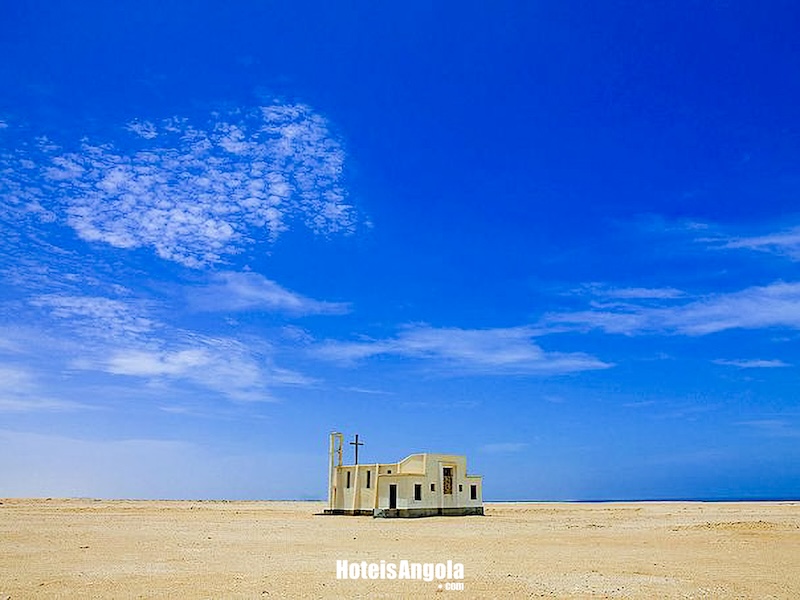
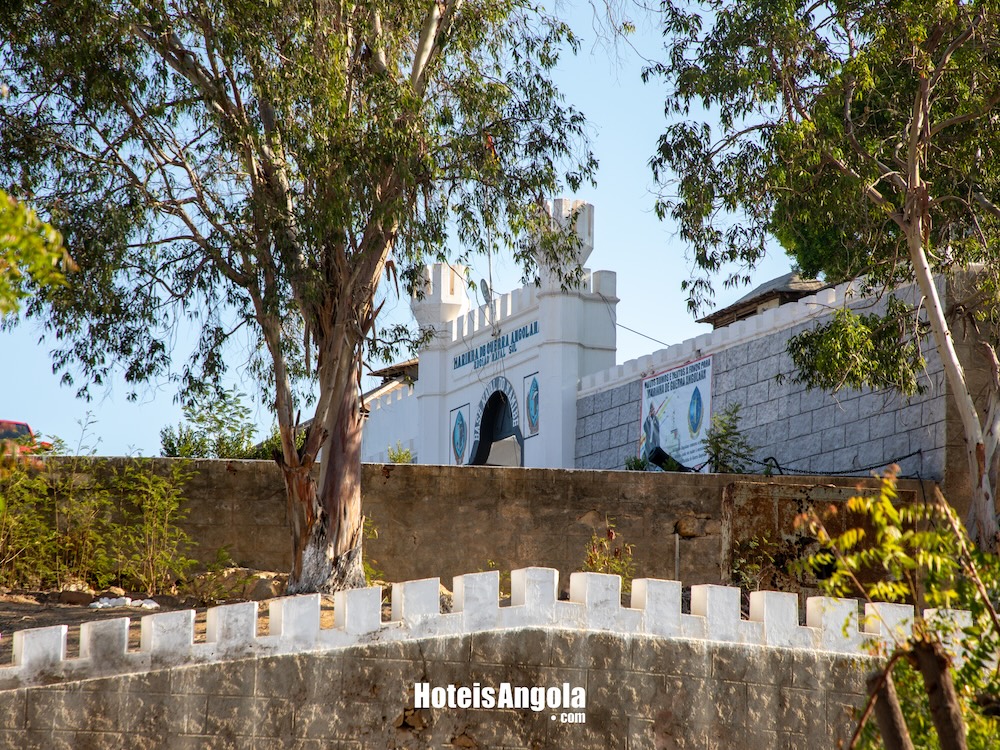
This chapel was built in 1950 as a fulfillment of a promise after Frank Marques (Francisco Marques) received a lottery prize, and was dedicated to the patron saint of seafarers.
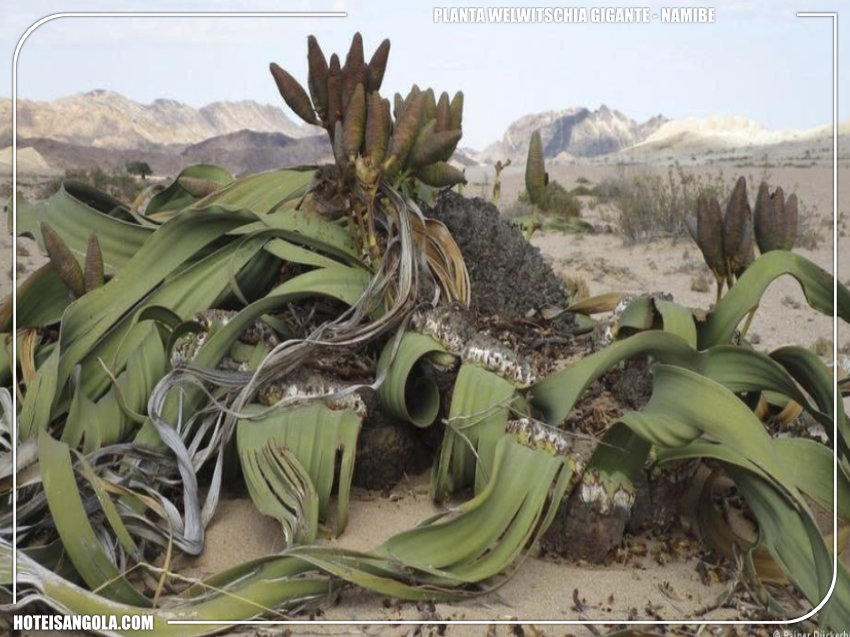
A plant endemic to the Namib Desert that symbolizes the Southern Region of Angola and Northern Namibia, approximately 1.5 meters tall, is found among stone hills and surrounded by other small Welwitschia.
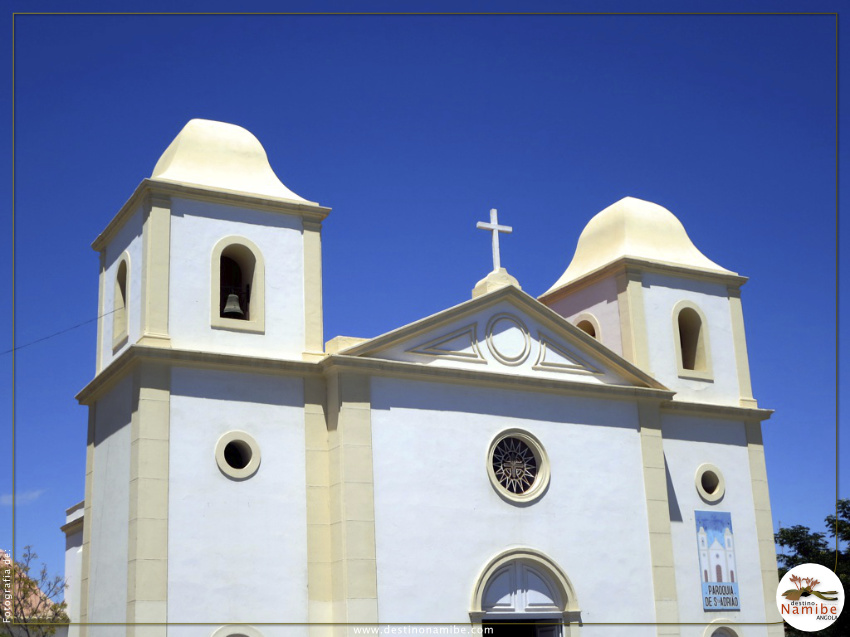
With a simple religious architecture, in late Baroque, where the usual symmetrical composition dominates, expressed in the facade, the Parish Church of Santo Adrião de Moçâmedes has nothing to do with other towered churches
Benefiting from a privileged situation, almost in the middle of Rua da Praia do Bonfim, overlooking the Avenue, in a place where in the 1940s there was a small garden square called Jardim da Colónia, for which monuments to the colonists were reserved.
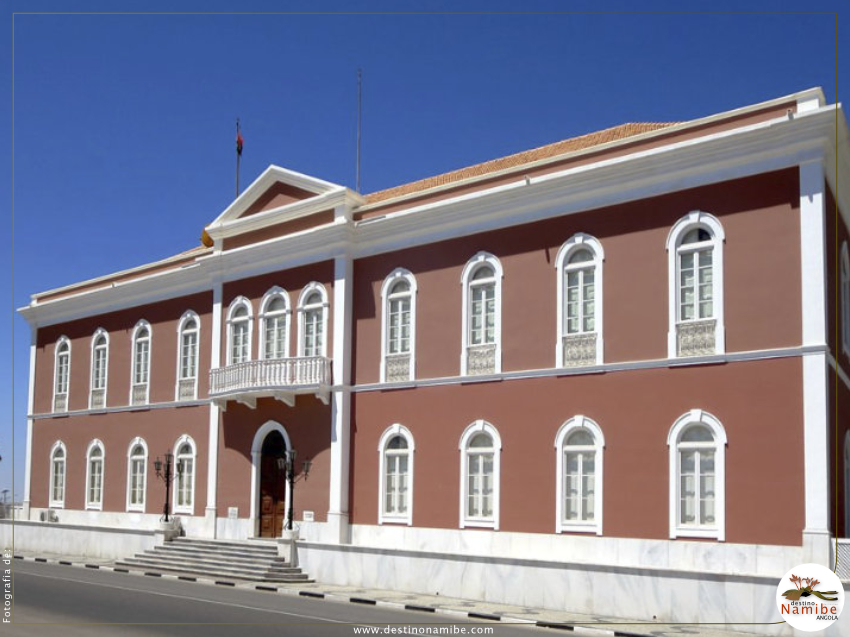
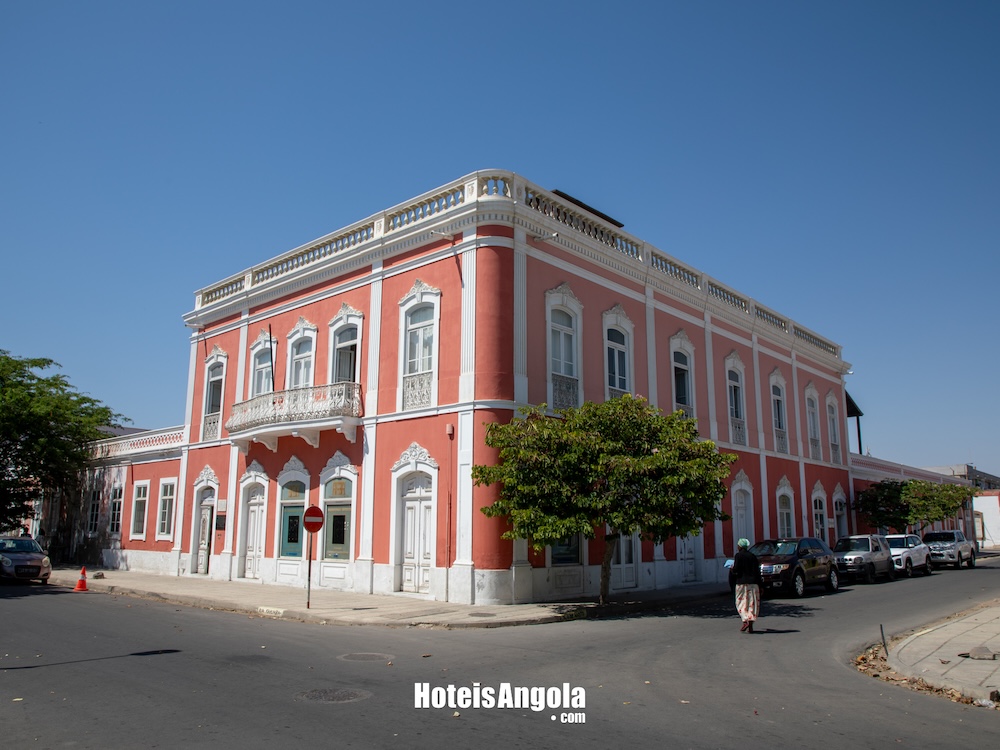
Dark and imposing, with classic architecture typical of the 19th century, the Palace has a facade divided into three bodies, with the central body surmounted by a triangular pediment, in the middle of which were the Portuguese corners
It is one of the sights of the province of Namibe and the first where one should stop when going to the municipality of Tómbua or Vire. Located exactly 17 kilometers from the city of Moçâmedes and this is where the tomb of Rui Duarte de Carvalho is located
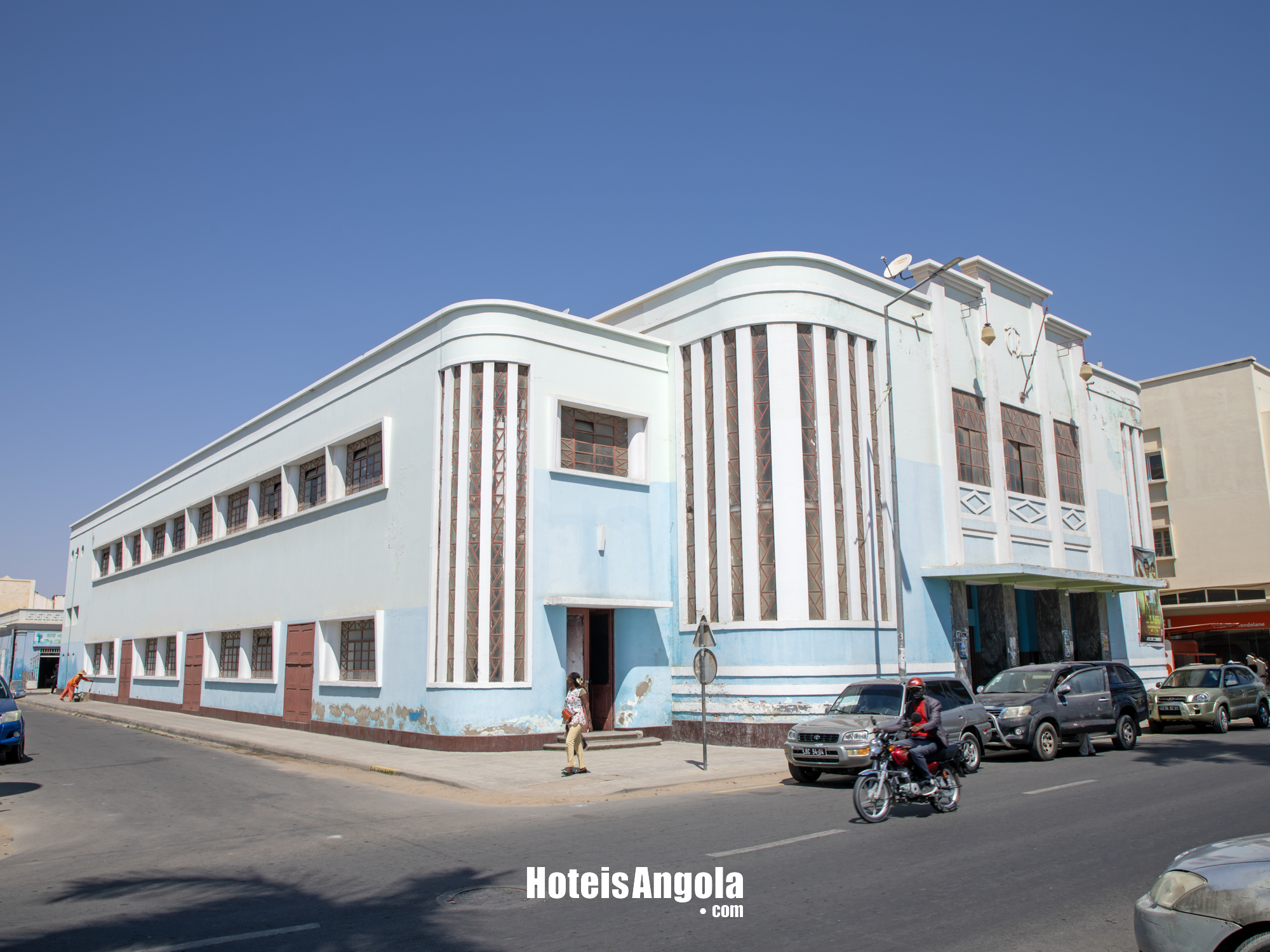
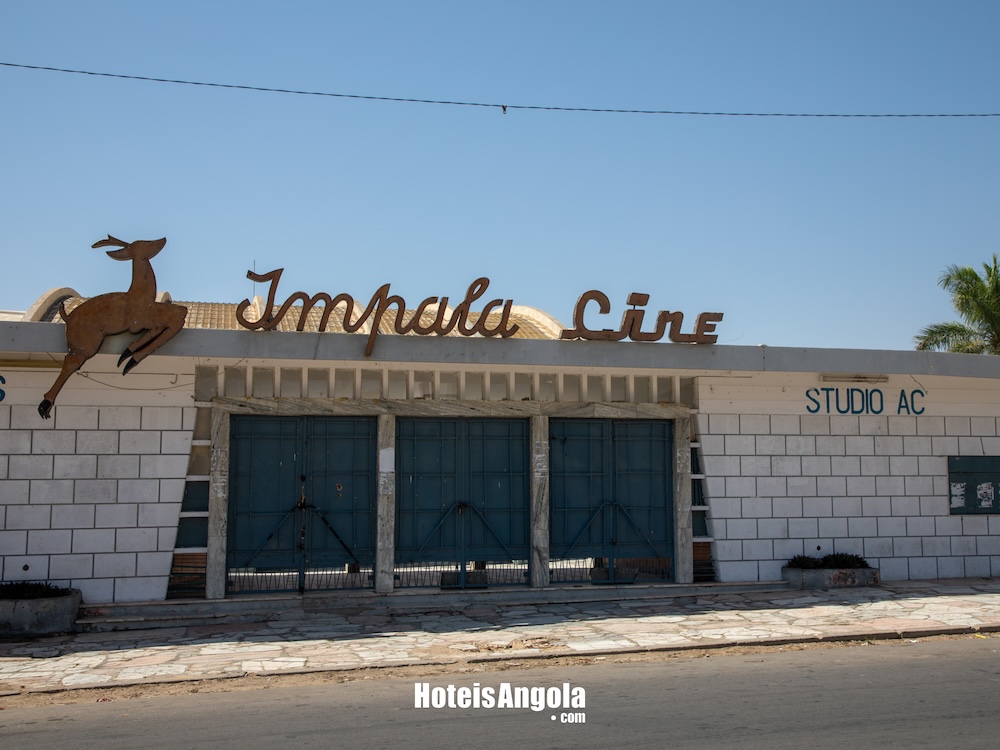
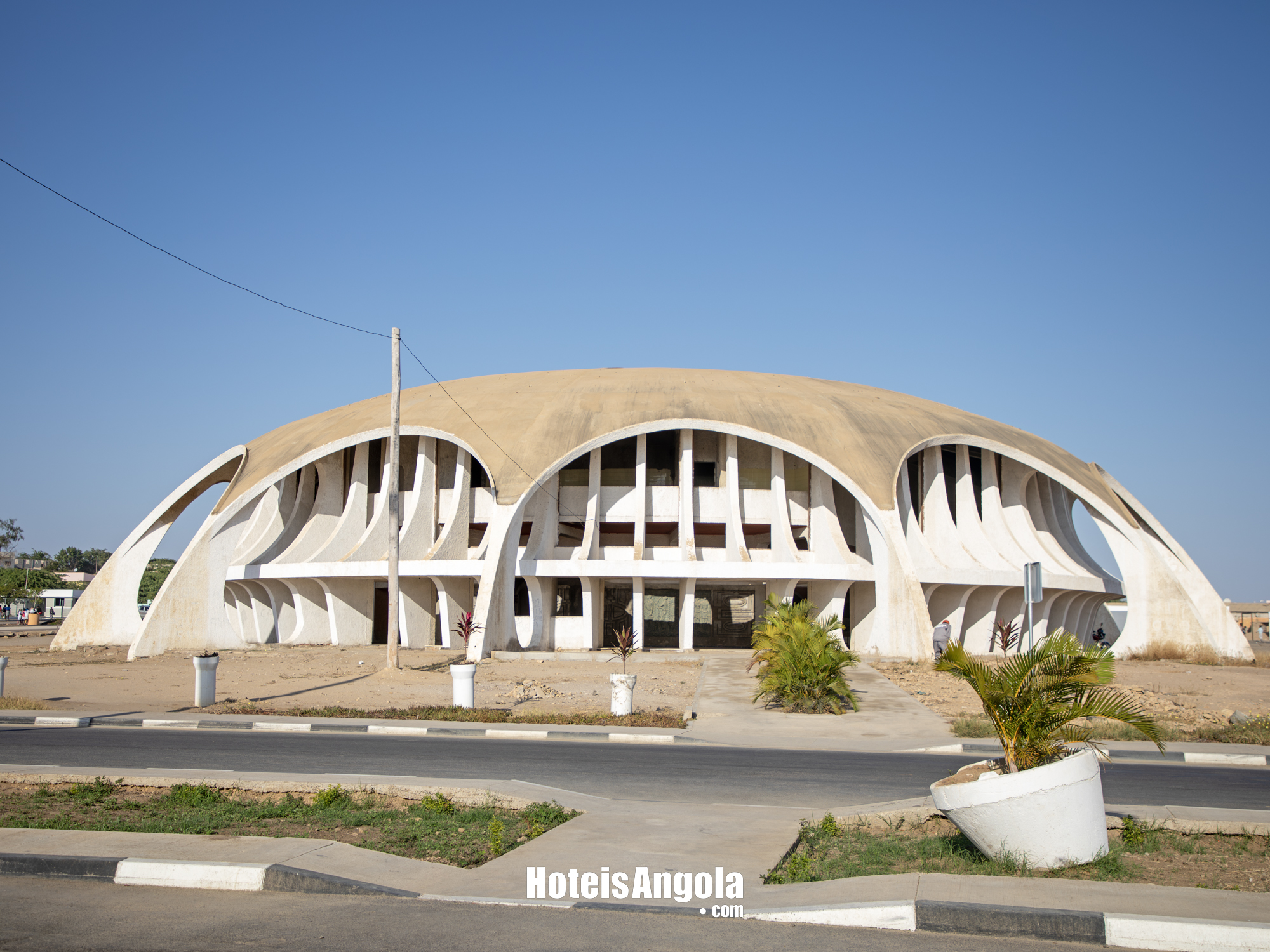
In 1973, the owner of Cine-Moçâmedes, Mr. Bauleth Eurico Gaspar, commissioned Atelier Boper to design a new cinema building for the city. Its implementation would occupy a crucial place for the development of the urban plan, which is not enough
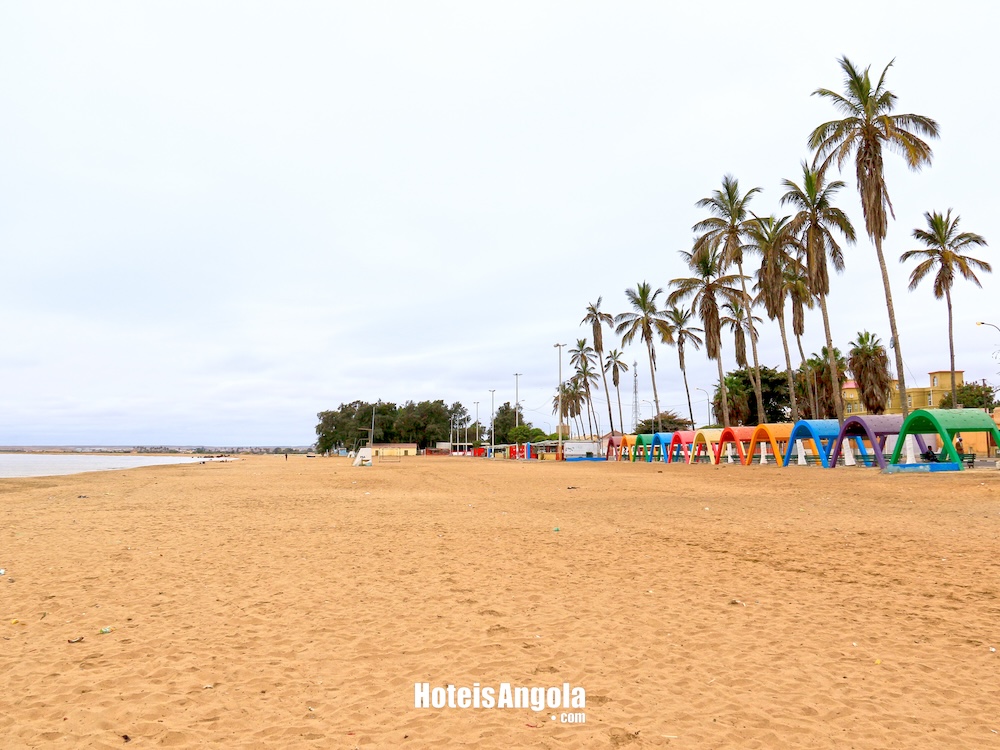
Located 65 km north of Moçamedes, a village estimated at 1500 inhabitants, who lives off fishing, baba beach has natural charms with paradisiacal beaches and a Private Tourist Complex of Excellence.
Available daily from 08:00 to 22:00. This support line helps clarify doubts,
assist with reservations and guide you towards the best accommodation and tourism services.






 English
 Português
 WhatsApp
 Phone
Phone
 Email
Email