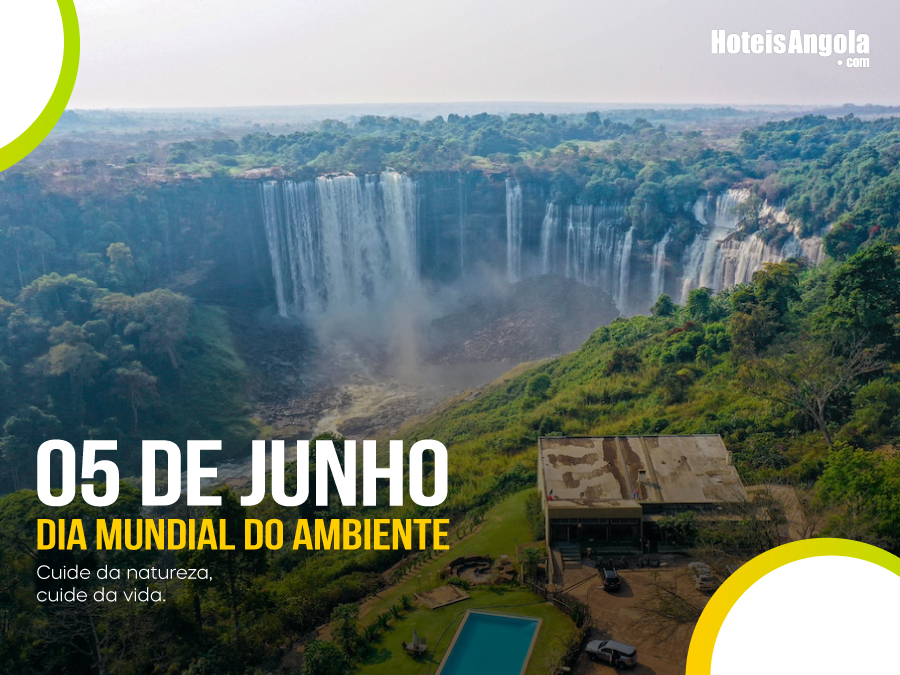
June 5 -World Environment Dia - Ambiente e Boas Praticas
In the 1970s, the world was facing increasingly evident problems related to air, water and soil pollution, the disorderly growth of cities, the degradation of natural resources and the impacts of accelerated industrialization.
On 5 June 1972, the United Nations Conference on the Human Environment began in Stockholm, Sweden, becoming the first conference to be exclusively dedicated to the environment.
This date came to be celebrated as World Environment Day.
The conference brought environmental debate into the international arena and produced the Declaration on the Human Environment, whose principles constituted the first non-binding international legislation on environmental matters.
It was also during this conference that the United Nations Environment Programme (UNEP) was established.
These factors further encouraged the adoption of environmental legislation at the national level, as well as the development and adoption of a series of international environmental treaties.
Furthermore, the opening date of the conference, 5 June, was later chosen by the United Nations to celebrate World Environment Day, which is commemorated annually around the world. This celebration seeks to raise awareness among governments, businesses and citizens about the importance of preserving ecosystems, biodiversity and natural resources for present and future generations.
On this date, people are encouraged to reflect on ways of acting at the local level so that more sustainable approaches to development can be implemented globally.
These approaches should make it possible to improve environmental quality and, consequently, the quality of life of present and future generations.
In Angola, activities focused on environmental education and awareness are organised on this date to promote the sharing of information about the benefits of adopting sustainable lifestyles.
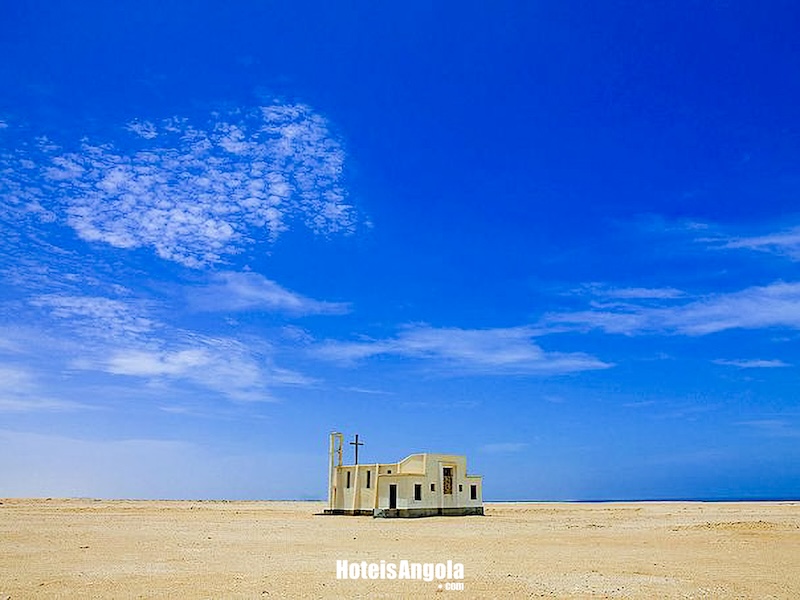
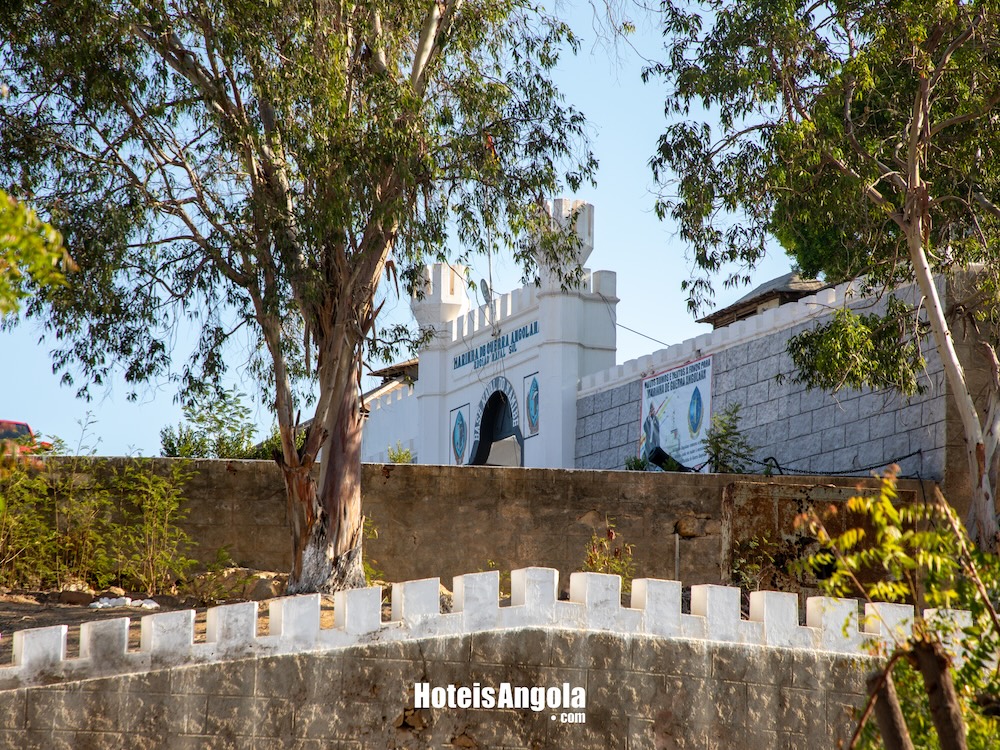
This chapel was built in 1950 as a fulfillment of a promise after Frank Marques (Francisco Marques) received a lottery prize, and was dedicated to the patron saint of seafarers.
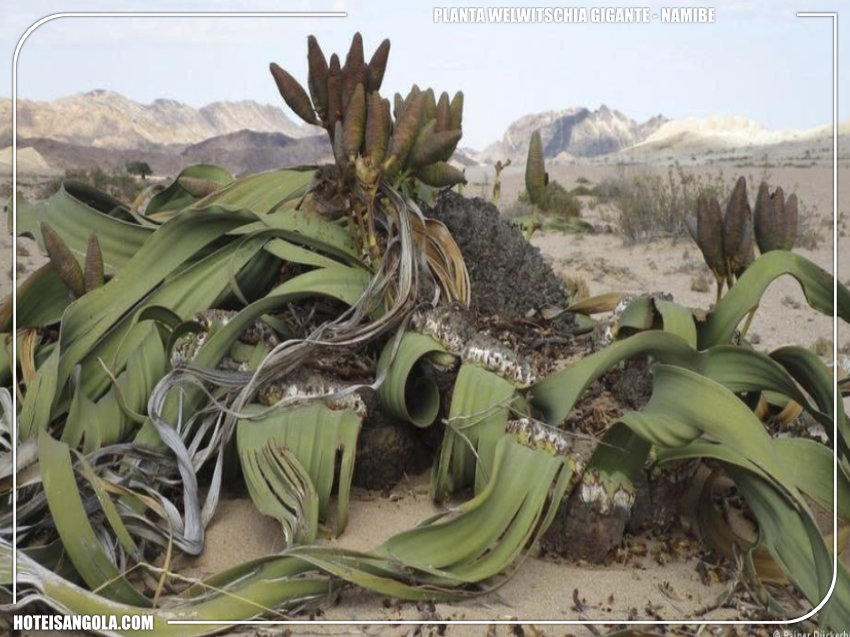
A plant endemic to the Namib Desert that symbolizes the Southern Region of Angola and Northern Namibia, approximately 1.5 meters tall, is found among stone hills and surrounded by other small Welwitschia.
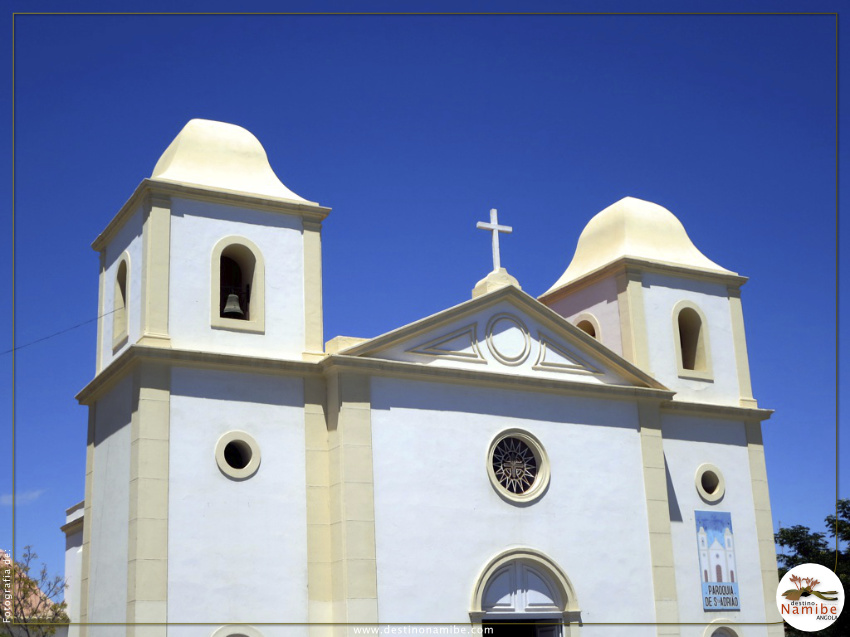
With a simple religious architecture, in late Baroque, where the usual symmetrical composition dominates, expressed in the facade, the Parish Church of Santo Adrião de Moçâmedes has nothing to do with other towered churches
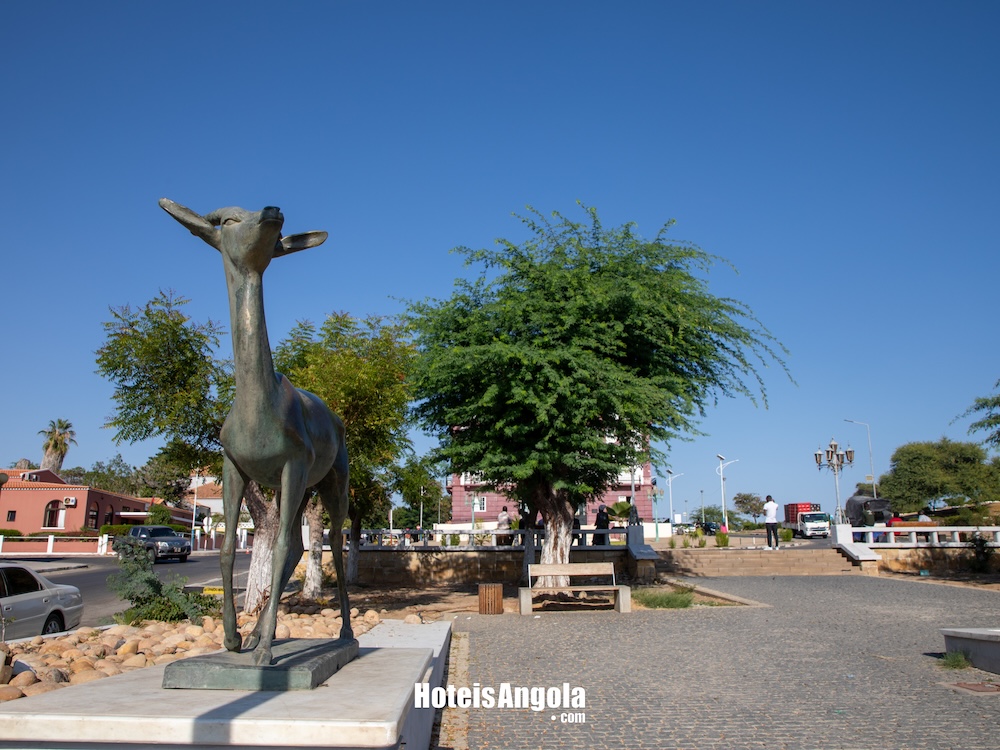
Benefiting from a privileged situation, almost in the middle of Rua da Praia do Bonfim, overlooking the Avenue, in a place where in the 1940s there was a small garden square called Jardim da Colónia, for which monuments to the colonists were reserved.
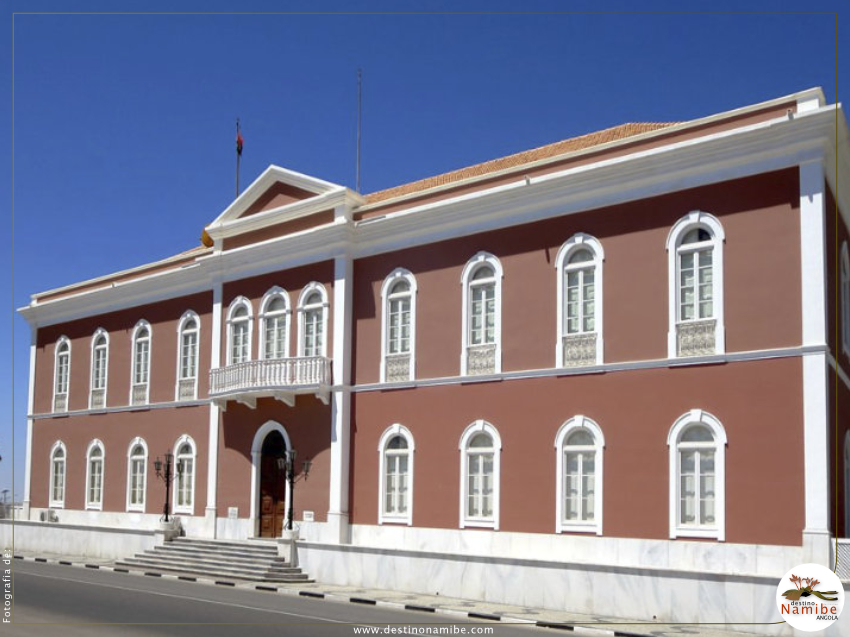
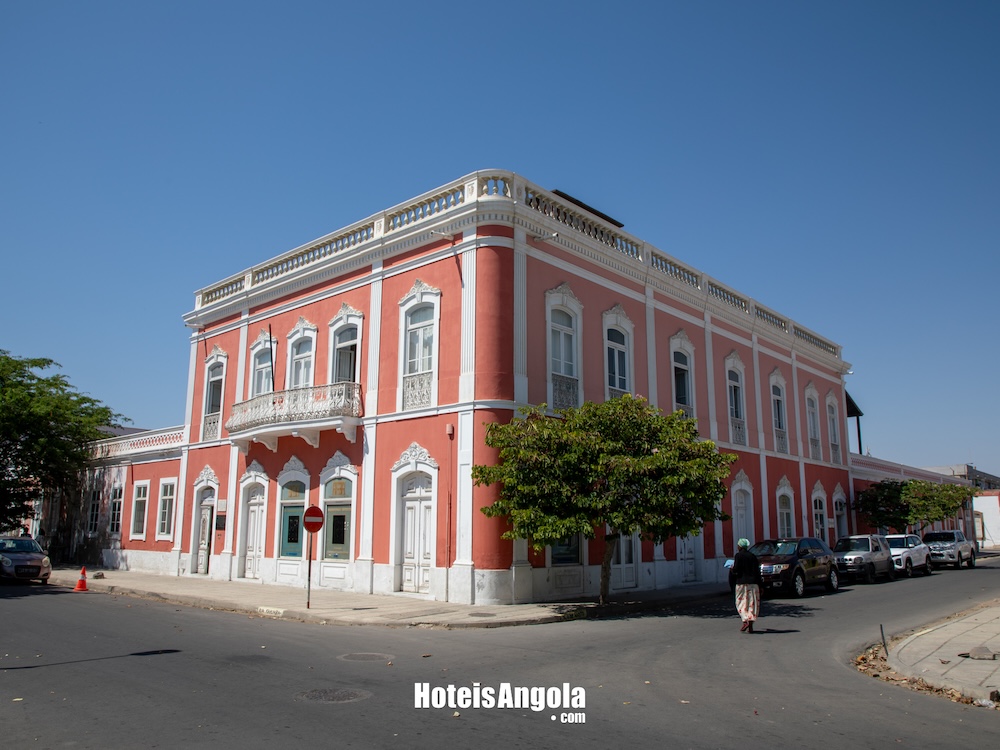
Dark and imposing, with classic architecture typical of the 19th century, the Palace has a facade divided into three bodies, with the central body surmounted by a triangular pediment, in the middle of which were the Portuguese corners
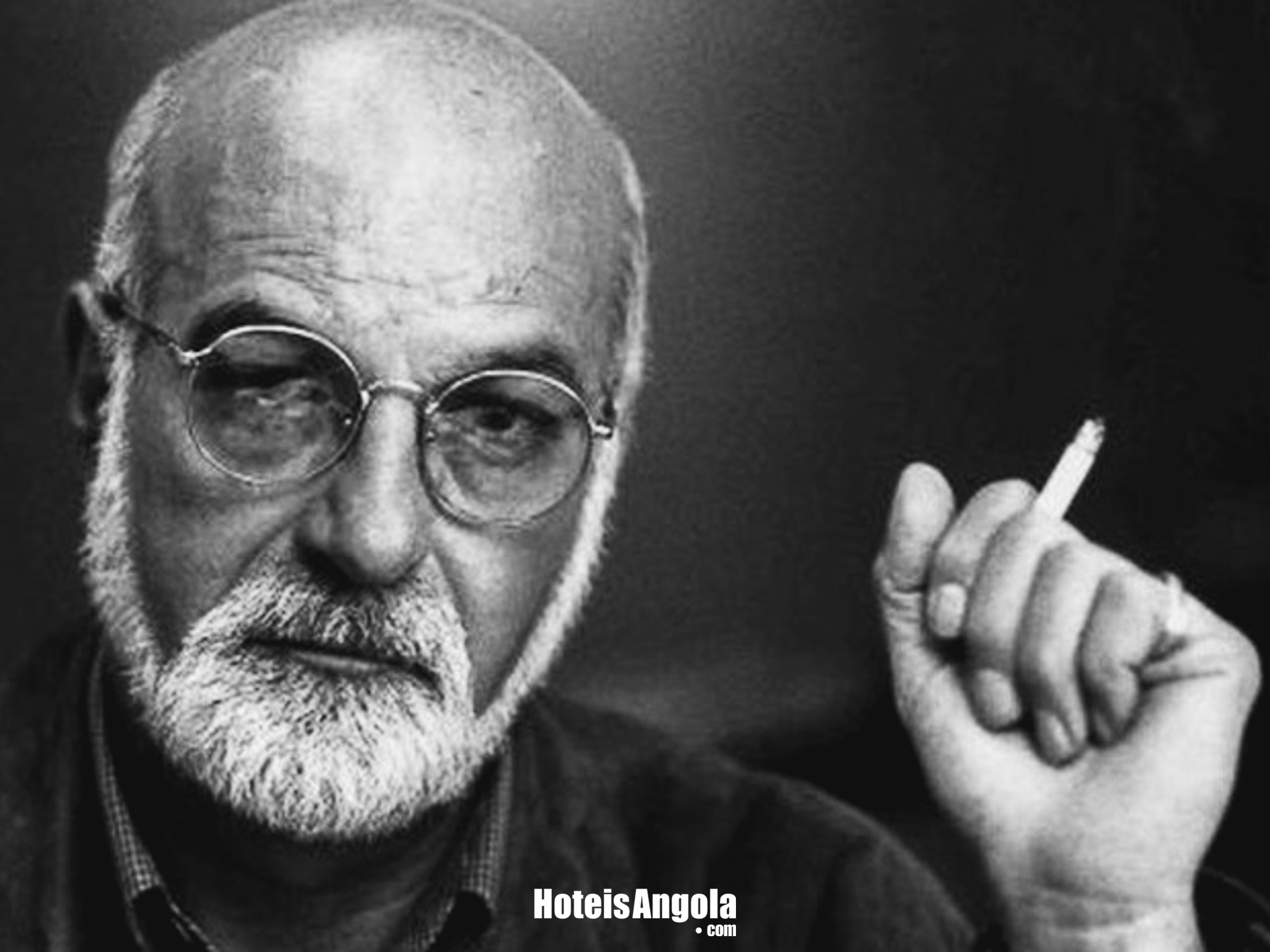
It is one of the sights of the province of Namibe and the first where one should stop when going to the municipality of Tómbua or Vire. Located exactly 17 kilometers from the city of Moçâmedes and this is where the tomb of Rui Duarte de Carvalho is located
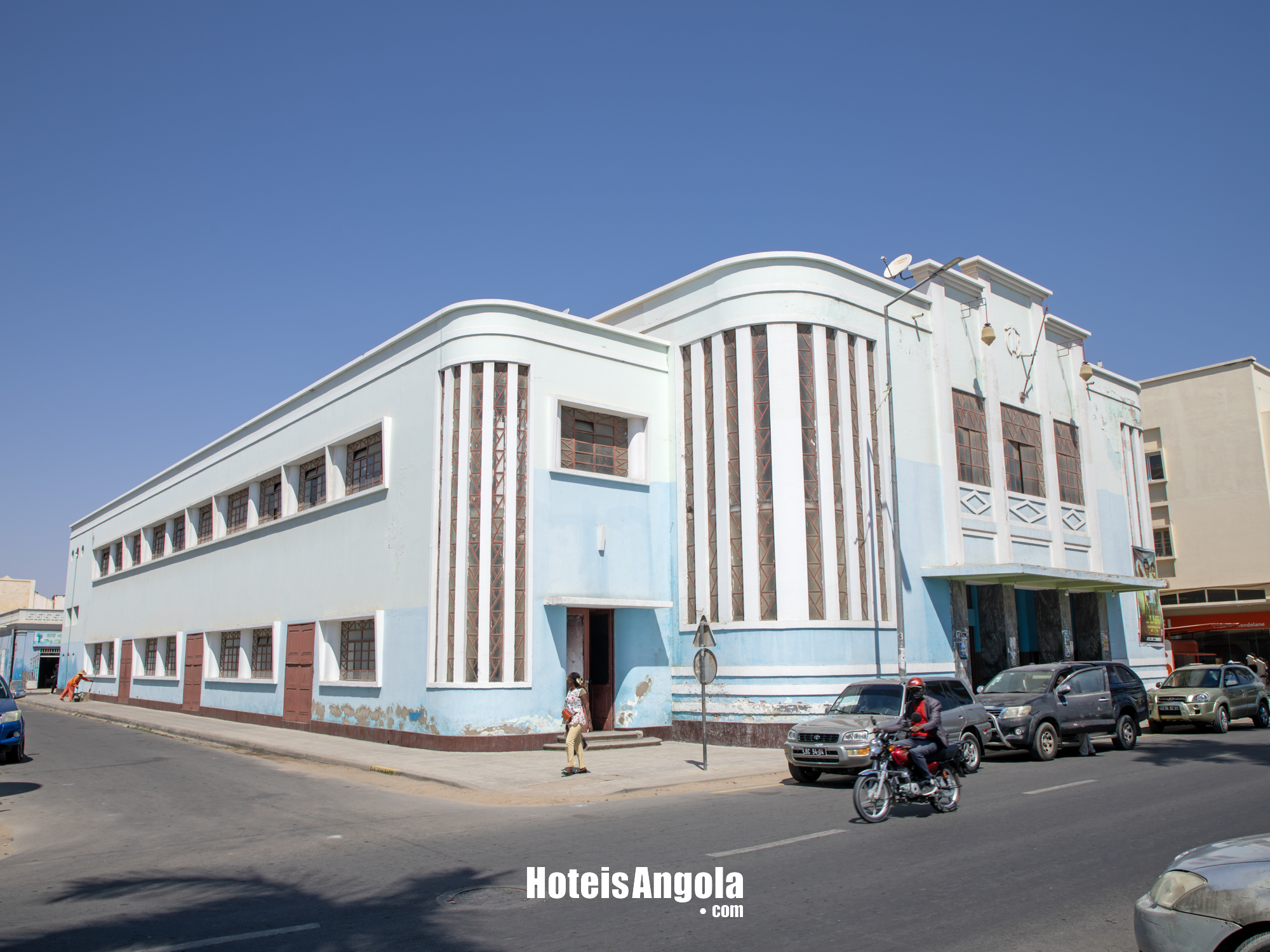
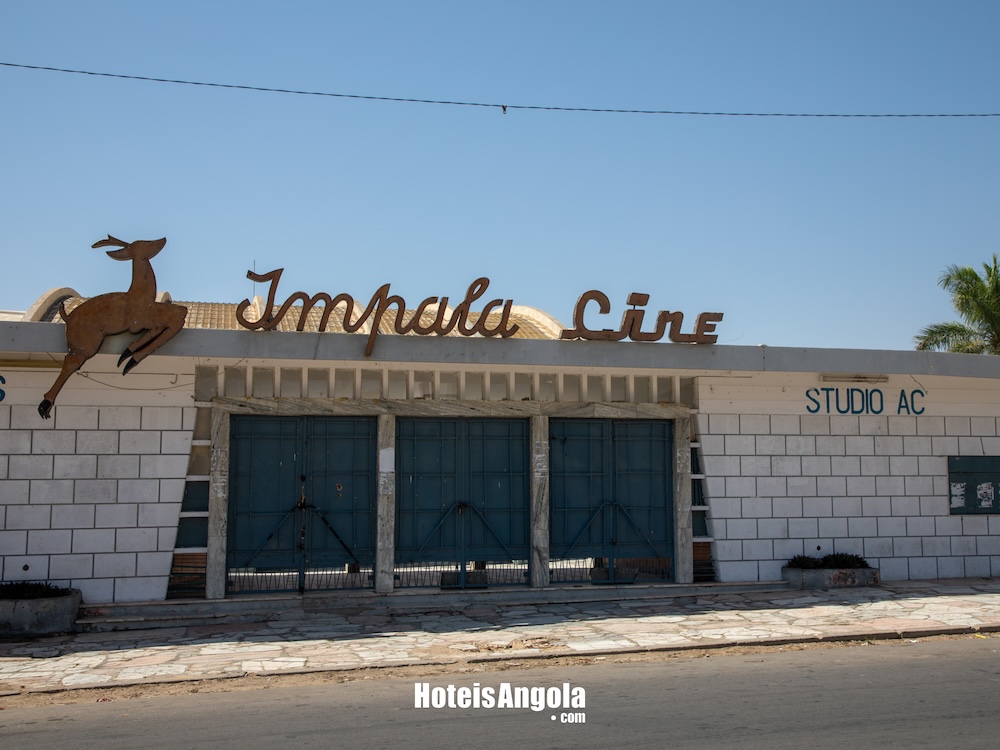
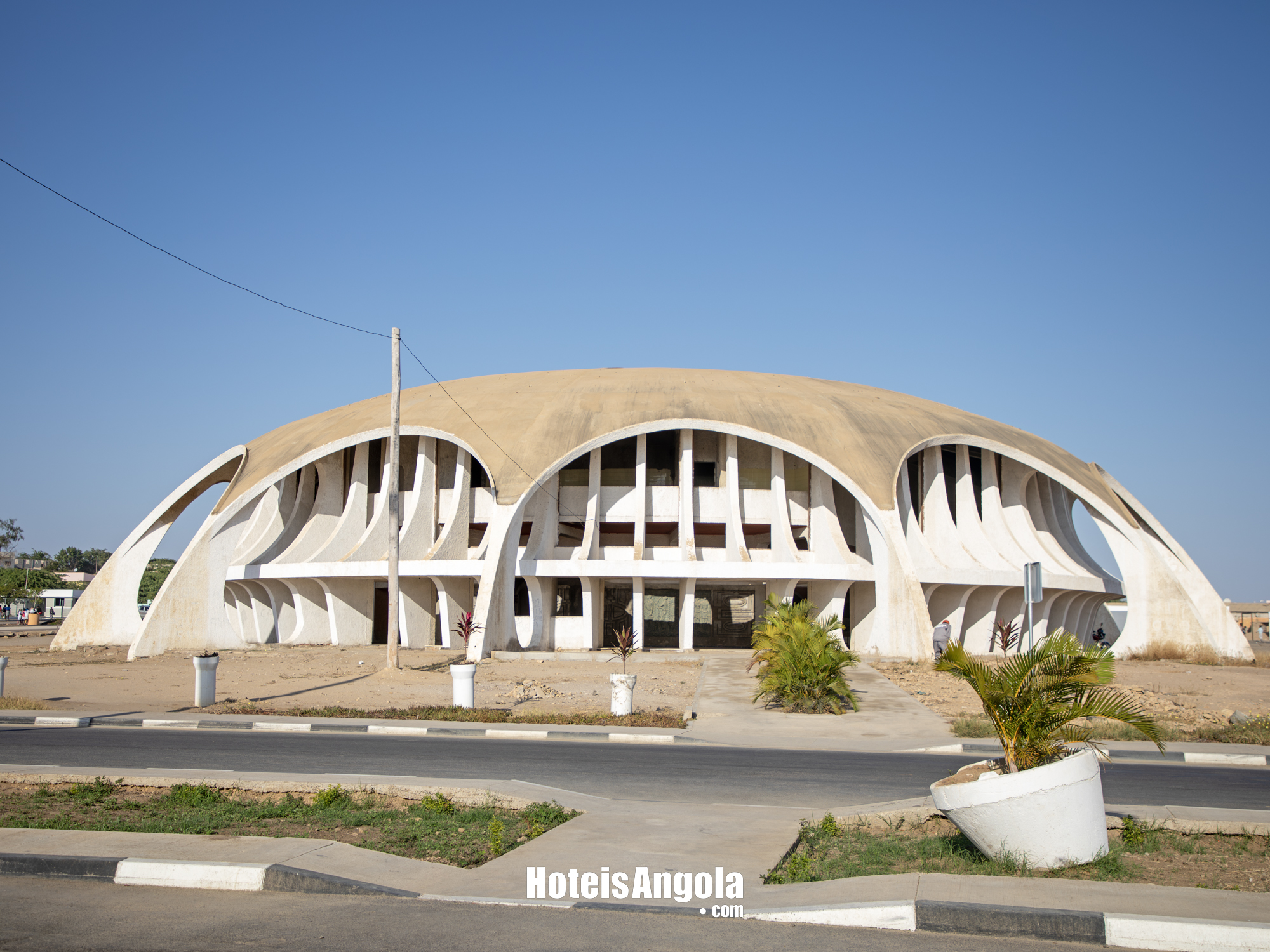
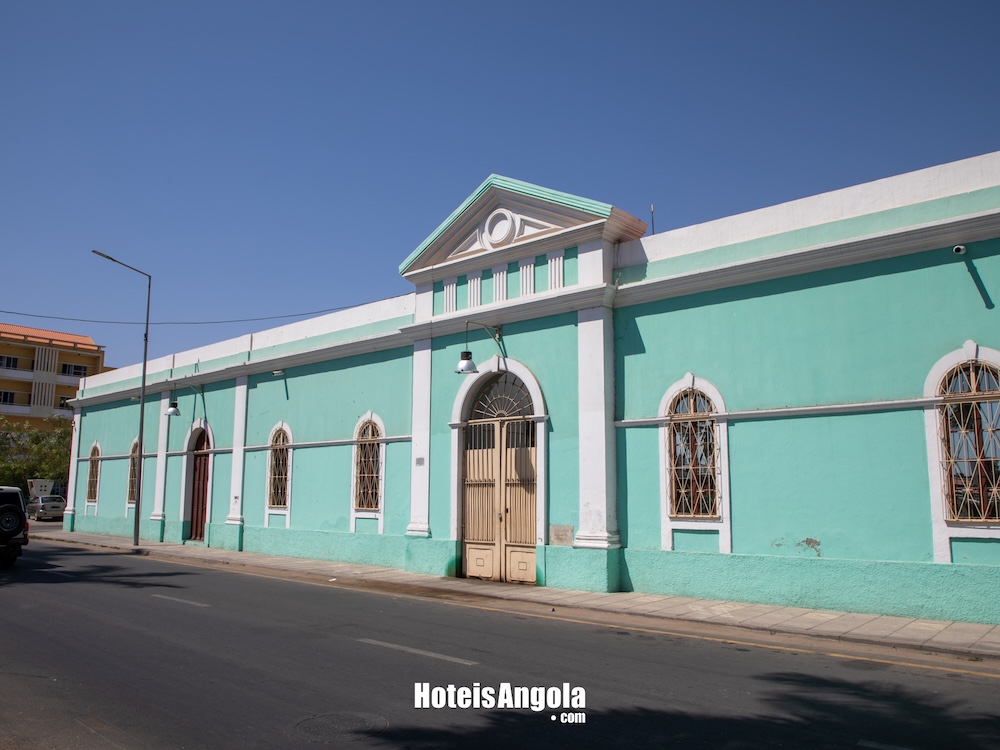
In 1973, the owner of Cine-Moçâmedes, Mr. Bauleth Eurico Gaspar, commissioned Atelier Boper to design a new cinema building for the city. Its implementation would occupy a crucial place for the development of the urban plan, which is not enough
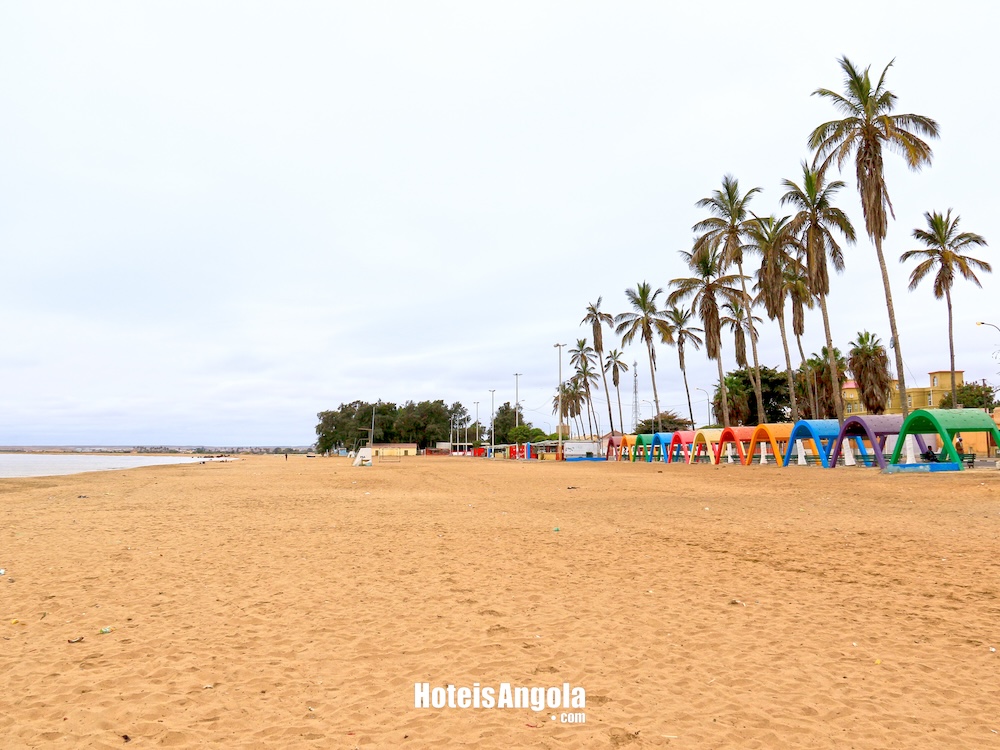
Located 65 km north of Moçamedes, a village estimated at 1500 inhabitants, who lives off fishing, baba beach has natural charms with paradisiacal beaches and a Private Tourist Complex of Excellence.
Available daily from 08:00 to 22:00. This support line helps clarify doubts,
assist with reservations and guide you towards the best accommodation and tourism services.





 English
 Português
 WhatsApp
 Phone
Phone
 Email
Email